Blog

  • My grandfather left me a rotten house on the outskirts in his will, and when I stepped inside the house, I was stunned…

    In this strange and surreal dream, grandfather had left me an old cottage in the village of Brambleford, in a state of disrepair, as my inheritance, while my sister received a two-room flat in the very heart of London. My husband labeled me a failure and moved in with my sister. After losing all I had, I traveled to the village, and as I entered the cottage, I was struck with a profound amazement that rippled through the fabric of the dream.

    The room in the solicitors office felt heavy with the scent of aged documents, the air thick and unmoving as if time itself had paused in mid-breath. Emily sat on a wobbly chair, her palms damp with an unease that seemed to seep from the walls like unseen mist. Next to her sat Charlotte her older sister, clad in a sharp business attire with nails polished to perfection. It appeared she had arrived not for the will reading, but for some grand assembly in a world of deals and numbers.

    Charlotte was tapping away on her device, throwing occasional indifferent looks toward the solicitor, as if yearning to depart for grander things that floated just out of reach. Emily fidgeted with the strap of her tattered bag. At thirty-four, she still felt like the shy younger sibling beside the assured, accomplished Charlotte. Her work at the local library brought little pay, yet Emily cherished her role and found joy in it.

    Yet others viewed this occupation as more of a pastime, particularly Charlotte, who occupied a role in a major firm and earned far more than Emily did across an entire year. The solicitor, an elderly man with spectacles perched on his nose, cleared his throat and opened a folder of papers. The room became quieter still. An old clock on the wall ticked softly, highlighting the strained mood that hung like cobwebs.

    Time appeared to stretch and bend in odd loops. Suddenly, memories drifted into Emilys mind of how grandfather often remarked: The most important things in life unfold in quiet moments.

    The will of Henry Whitaker, he started in a flat voice that hung in the small space like an echo from far away.

    I leave the two-room flat on High Street, number 27, flat 43, along with its furniture and belongings, to my granddaughter Charlotte Whitaker.

    Charlotte did not even raise her eyes from the screen, as though she had foreseen receiving the prized possession. Her expression stayed serene and blank, like a still pond. Emily felt a familiar ache in her chest. It occurred once more. Once more, she was second.

    Charlotte had always been first, always claiming the finest. In school, she excelled, then attended a renowned university, married a prosperous businessman. She possessed a fashionable flat, a costly car, stylish garments. And Emily? She lingered always in her older sisters shadow, where shapes blurred at the edges.

    Furthermore, the cottage in the village of Brambleford with all the structures, outbuildings, and a plot of land measuring twelve hundred square meters, I leave to my granddaughter Emily Whitaker, the solicitor went on, flipping the page as if it turned by itself in the haze.

    Emily started. A cottage in the village? The very one, nearly in ruins, where grandfather had resided alone in his later years? She recalled it hazily had visited only a handful of times in childhood. Back then, the cottage looked on the verge of tumbling down. Flaking paint on the walls, a roof that leaked, a yard choked with weeds all stirred worry that twisted like vines in her thoughts.

    Charlotte finally turned from the screen and regarded her sister with a faint smile:

    Well, Emily, you received something at least. Though, truthfully I can’t fathom what you’ll do with this old thing. Perhaps demolish it and sell the land for new homes?

    Emily remained quiet. The words caught in her throat. Why had grandfather chosen this path? Could it be he too saw her as a failure who didn’t require a fine home? She wished to weep but restrained herself not here, not before Charlotte and that stern solicitor who regarded her with a hint of sympathy that shimmered oddly.

    The solicitor continued with the formalities, outlining the will’s conditions. Emily listened absently, not fully grasping the events. Grandfather had always been a just man. So why had he now split the inheritance so unevenly? At last, the formalities concluded. The solicitor gave each sister the required papers and keys.

    Charlotte swiftly signed all the documents, tucked the keys into her elegant handbag, and rose. Her actions were sure, efficient, like clockwork in a fading light.

    I must be off, I have a meeting with clients, she said without glancing at Emily. We’ll speak soon. Don’t be too downcast after all, you did receive something.

    And she departed, leaving a light trace of lavender fragrance that lingered like a half-remembered tune.

    Emily remained in the office for a long while, clutching the keys to the village cottage. They were weighty, made of iron, rusty at the edges, old-style, with long bits. Entirely unlike the graceful keys Charlotte had obtained. Outside, her husband Michael was already waiting. He stood by his battered car, smoking and glancing impatiently at his watch.

    Annoyance was evident on his face. As soon as Emily emerged, he crushed his cigarette under his foot.

    So, what did you receive? he asked without any greeting, not even a hello. Hopefully, at least something of value?

    Emily slowly recounted the will’s contents. With each word, Michael’s face grew more clouded.

    When she finished, he stood silently, then suddenly struck the car bonnet.

    A cottage in the village?! Are you serious? You messed things up again! Your sister gets a flat in the center worth at least five hundred thousand pounds, and you some ruin!

    Emily recoiled at his harshness. Previously, Michael seldom used strong language, but recently, he had grown more short-tempered, especially regarding money.

    I didn’t choose anything, she attempted to explain, her voice shaking. It was grandfather’s choice.

    But you could have swayed him! Show him that you merit more! Speak, clarify the circumstances!

    No You were always too timid.

    Always lingering on the sidelines, unable to achieve anything. You can’t even secure a proper inheritance.

    His words stung like blades. Emily felt tears rising. Seven years of marriage, and he addressed her as if they were strangers.

    Michael, please don’t raise your voice. People are watching.

    Perhaps we can do something with this cottage? she quietly proposed, glancing about.

    Do something? What can one do with a ruin in the middle of nowhere? No one will offer even ten thousand pounds for it. Perhaps demolish it and sell the land.

    Michael abruptly entered the car, slammed the door hard, started the engine, and stayed silent the whole journey home, muttering now and then. Emily gazed out the window and pondered grandfather. Henry was a kind, quiet man. He had worked tending fields on a farm, then as a train driver, and upon retiring, relocated to the village of Brambleford.

    He said the city felt oppressive, but the air was pure in the village, and at last, one could live for oneself. Emily remembered visiting him in the summer as a child. Grandfather taught her to tell edible mushrooms from harmful ones, showed spots where strawberries and raspberries grew wild, spoke of birds and creatures.

    He never raised his voice at her or compelled her to do what she disliked. He was simply present kind, serene. Thanks to him, Emily felt valued and important. Grandfather often repeated:

    You are unique, granddaughter. Not like the others. You have a sensitive spirit; you can perceive beauty where others cannot. Its a rare gift.

    Back then, Emily didn’t grasp what he meant. Now those words seemed like a harsh joke. What was unique about her if even her own husband saw her as a worthless failure? At home, Michael immediately switched on the television and immersed himself in the news. Emily went to the kitchen to make dinner.

    While peeling potatoes, she wondered what to do next. Perhaps truly try to sell the cottage? Though who would purchase a half-ruined cottage in a deserted village without decent roads? She recalled that hardly any young people remained in Brambleford everyone had departed except the elderly who refused to leave their homeland.

    There was no shop, and the post office operated once a week. Total isolation. During dinner, Michael was quiet, occasionally looking at the television. Emily tried to initiate a talk about weekend plans, but he responded briefly and coldly. Finally, he set down his fork and regarded her seriously:

    Emily, Ive thought a great deal today. Our marriage hasn’t worked out.

    You don’t provide what I desire from life.

    Emily raised her eyes from the plate. Her heart raced.

    What do you mean?

    I need a woman who will aid me in succeeding. Not someone who works for little in a library and inherits some ruins. Im 37.

    I want to live well, not economize on everything.

    You knew who you were marrying. I never pretended, never concealed who I was.

    I know. And that was my error. I thought you would become more driven, find a good job. But you remained a quiet soul, content with little.

    Emily felt as though everything inside was shattering.

    And what do you suggest?

    Divorce. Ive already spoken to a lawyer. Meanwhile, you can stay with friends or in your splendid village.

    The last words he uttered with such scorn that Emily shivered. Michael stood from the table and moved toward the door.

    Wait, she quietly said.

    What about all we had? Seven years together. Our dreams.

    Seven years of errors, he interrupted without turning.

    By the way, Charlotte is right youre not the one for me. She is a clever, practical woman. Not like

    He didn’t finish, but Emily understood. He meant Charlotte.

    Of course, Charlotte. Successful, beautiful, wealthy Charlotte. And now with a flat in the center. So you you chose her? Emily barely whispered, feeling a chill within.

    Weve just been talking a lot lately, Michael answered calmly. Her husband is often away on business, she feels lonely. And I find her interesting. We have similar views on life. She understands me.

    What does aiming for the best mean? Emily stayed at the table, gazing at the man she had lived with for seven years. Was this truly the same Michael who once brought her flowers on her birthday, praised her, vowed to be there always? Now he seemed like a stranger, detached, even harsh. As if a mask had dropped from his face, exposing the real self.

    Gather your belongings, he said without any feeling.

    Tomorrow evening, I want you gone for good. Im putting the flat in my name; there will be no issues.

    With those words, he left, leaving Emily alone at the table facing the cold meal. She sat, unable to accept what was unfolding. In one day, she had lost everything: hope for a good inheritance, husband, home. Only an old building in an abandoned village remained, about which she remembered almost nothing.

    That night, Emily couldnt sleep. Lying on the sofa in the living room she lacked the strength or wish to go to the bedroom she pondered her life. Thirty-four years old. What did she have? A job no one valued, a husband who left for her own sister, and a sister who always saw her as a failure. And now this enigmatic cottage in the wilds, about which she knew almost nothing.

    She recalled childhood years, infrequent trips to grandfather. Then the cottage seemed vast and somewhat frightening. It had many rooms, old furniture, smelled of wood and something strange. Grandfather took her around the cottage, sharing tales of the past, about those who lived here before. But that was so long ago that the memories had become vague, blurry, ghostly visions that drifted like fog.

    I completely forgot Emily whispered, looking at photographs. I loved coming here. Why did I stop?

    She remembered. Charlotte always found reasons not to visit grandfather. Either plans with friends, exam studies, or something else important. And the parents didnt insist, saying the older daughter was already grown and could decide how to spend holidays. Emily stopped asking too didnt want to seem pushy.

    And grandfather never complained. He called on holidays, inquired about things, always said he was glad to hear from them. But sometimes a sadness sounded in his voice that she didnt notice then, but now recalled with pain in her heart. Emily carefully returned the photos and closed the drawer.

    The house grew quieter, dusk was deepening outside. She felt weary. The day was too heavy, too full. She just wanted to lie down and forget everything for a few hours, not think about a broken life. Emily returned to the living room for her suitcases and dragged them to the bedroom.

    She took out pajamas and essentials, then went to the bathroom. To her surprise, everything was in order clean towels, soap, even a toothbrush and toothpaste in new packaging.

    Someone clearly prepared for my arrival, Emily thought. But who? And why?

    After washing and changing, she lay down in grandfathers bed. The bedding smelled fresh and herbal. The mattress was comfortable, the pillow soft. Emily lay in the dark, listening to the night sounds of the village: somewhere an owl called, leaves whispered, a cat purred under the window.

    For the first time in many months, she felt safe. No Michael with his irritation and reproaches. No Charlotte with her disdainful looks. No colleagues who considered her work unimportant. Only silence, peace, and a strange feeling that the cottage accepted her like family.

    Grandfather she whispered into the darkness. If you can hear me Thank you. Thank you for leaving me this cottage. I dont know what Ill do with it, but right now its the only place where I can be myself.

    Sleep came slowly. Thoughts wandered: shed have to arrange documents, decide whether to stay here or sell the plot. Call work, explain the situation. Start a new life. But all that seemed distant and not so important. Now the main thing she found refuge.

    A place to stop, catch her breath, and figure out what to do next. Grandfathers cottage greeted her like an old friend, and for the first time in a long time, Emily felt she was not alone. Falling asleep, she recalled grandfathers words that she was special. Back then, those words seemed just an expression of an old mans love for his granddaughter.

    Now Emily thought: maybe grandfather really saw something in her that others didnt? Maybe by leaving her the cottage, he knew what he was doing?

    Tomorrow, she promised herself. Tomorrow Ill understand everything. Definitely understand.

    And with that thought, she finally fell into a deep, peaceful sleep she hadnt known for a long time.

    Emily woke up to bird songs. The morning sun shone outside, and the whole world seemed different not as gloomy and hopeless as yesterday. She stretched in bed, feeling rested for the first time in months. In the city flat, cars, neighbors, and construction constantly woke her.

    Here there was such silence that only birdsong and leaf rustling could be heard. Emily got up and approached the window. Morning transformed the village the sun gilded the tree tops, dragonflies danced in the air, somewhere in the distance a cow lowed.

    Behind a crooked fence, she saw an overgrown garden. Emily spotted apple trees, pear trees, currant bushes. Everything was overgrown with grass, but under the thickets she could make out neat paths and beds.

    Grandfather worked hard here, she thought. And now its all forgotten.

    She quickly washed, dressed, and went downstairs to the kitchen. Indeed, there were fresh products in the fridge someone had clearly cared about her arrival. Emily brewed coffee, fried eggs, and sat down to breakfast by the window, admiring the view of the garden.

    While eating, she kept thinking about who could have cleaned the cottage and bought the groceries. Maybe grandfather asked some neighbors to look after the cottage? Or had a housekeeper? But where would a housekeeper come from in such a wilderness?

    After breakfast, Emily decided to thoroughly inspect the cottage in daylight. Yesterday she was too tired to pay attention to details. She started with the living room, carefully examining the furniture, pictures on the walls, trinkets on shelves.

    Old photographs hung on the walls in frames grandfather in his youth, his parents, some relatives Emily didnt remember. One photo especially caught her eye. It showed this very cottage many years ago. It looked new and well-kept, with blooming flowerbeds and neat paths around it.

    People in festive clothes stood near the cottage probably grandfathers family.

    What a beautiful cottage it was! Emily muttered. And what a wonderful garden!

    Continuing the inspection, she noticed antique dishes in the cupboard porcelain plates with patterns, crystal glasses, silver spoons. Everything was cared for and polished. In the drawers of the dresser lay yellowed letters, documents, other papers grandfather had kept for years.

    Emily reached the sofa and suddenly stopped. Something was unusual about it. It stood a bit oddly not parallel to the wall, but at an angle. As if it had been recently moved and not quite put back properly. She approached and noticed one pillow lay differently than the others.

    Carefully lifting it, Emily gasped. Under the pillow lay a white envelope. On it, in grandfathers handwriting, was written:

    To my beloved granddaughter Emily.

    Her heart raced. Emily took the envelope with trembling hands. It was sealed, but the seal was old clearly the letter had been here for a long time. Carefully opening the envelope, she pulled out a sheet of paper folded into quarters. The handwriting was unmistakably grandfathers neat, old-fashioned, with characteristic curls.

    Emily unfolded the letter and began reading:

    Dear my Emily. If you are reading this letter, it means Im no longer here, and you have come to our cottage. I knew you would come. I knew it would be you, not Charlotte. Because you were always special, and I saw it. You must be wondering why I left you the old cottage, and Charlotte the flat. You probably think I was unfair to you. But believe me, granddaughter, I left you much more than any flat. Remember how you asked me about treasures in childhood? You always dreamed of finding treasures buried by pirates or robbers

    Emily paused, rereading the last lines. Her heart beat so loudly she could clearly hear it in her chest.

    A treasure? she thought. Grandfather was talking about a real treasure?

    She continued reading:

    I spent my whole life collecting what I leave to you. I gathered bit by bit, hiding it from everyone. Even your grandmother, may she rest in peace, did not know the whole truth. I worked not only tending the fields and as a train driver. I had another business that no one suspected. After the war, many families left villages, moving to cities. They sold or simply abandoned their homes along with their belongings.

    I bought valuable things from them for pennies antique jewelry, coins, items made of precious metals. At the time, almost no one understood their true value. Later I sold these items in the city to collectors and antique dealers. But the most valuable I kept for myself. Gold jewelry, old coins, precious stones all this I hid and saved for you.

    Because I knew you were the only one in our family who would understand that real treasures are not money, but memory, history, and connection to ancestors. My treasure is buried in the yard, under the old apple tree the very one where we sat together, and I told you stories. Dig one meter deep, one and a half meters from the trunk, towards the cottage. There you will find a metal box.

    Emily, this treasure is your real inheritance. What will help you start a new life, become independent, fulfill your dreams. But remember: wealth should make a person better, not worse. Dont become like Charlotte, for whom money is more important than family and human relationships. I love you, my dear granddaughter. I hope you forgive your old grandfather this little trick. Your grandfather Henry.

    Emily finished reading the letter and just sat there, holding the paper. A treasure. A real treasure buried in the yard. Grandfather had spent his whole life collecting treasures and hid them especially for her.

    It cant be she whispered. This must be a joke.

    But the handwriting was unmistakably grandfathers, the paper worn and old, and the details in the letter too precise. He really knew her character, remembered their long-ago talks about treasures. And the very apple tree in the yard the one where they sat. Emily looked out the window. Behind the cottage stood an old sprawling tree the largest in the garden. Under its branches was a bench where she once sat as a child, listening to grandfathers stories.

    One and a half meters from the trunk towards the cottage, she repeated the words from the letter.

    Depth one meter.

    Her hands trembled with excitement. What if it was true? What if grandfather really left her a treasure?

    But even if so where to get a shovel? What would neighbors think if they saw her digging in the yard?

    Emily went out onto the porch and looked around. Neighboring cottages were barely visible most were empty. The only sign of life was smoke from one chimney about two hundred meters away. From there, her plot was not visible.

    Walking around the cottage, she found a shed. The door creaked but gave way. Inside were old gardening tools shovels, rakes, hoes. All rusty but usable. She took one shovel and headed toward the apple tree.

    Approaching the tree, she reread the letter: One and a half meters from the trunk, towards the cottage. Emily measured the required distance in steps, stood in the indicated spot, and stuck the shovel into the ground. The soil was soft, loose. Probably there used to be a flower bed or vegetable patch.

    In the dream’s strange logic, the earth seemed to part willingly, like soft clouds under her tool. Emily began digging carefully so as not to damage anything. The work went slowly physical labor was unfamiliar to her. After half an hour, her hands and back were already sore, but she did not stop. The hole deepened, but no sign of a find appeared.

    Maybe grandfather was wrong about the coordinates? she thought and tried digging slightly to the left, then slightly to the right. The soil was the same everywhere ordinary garden earth with roots and small stones.

    An hour passed. Then two.

    Emily was sweating, tired, her hands covered in blisters. But she did not give up.

    Grandfather couldnt have lied to her. He was an honest man. If he wrote about a treasure then the treasure existed.

    Suddenly, the shovel struck something hard.

    Emily froze. Then cautiously started clearing the earth with her hands. Under the layer of soil, the edge of a metal object appeared.

    Got it! she exclaimed and began digging with doubled energy.

    In a few minutes, the box was completely freed. It turned out to be small about thirty by forty centimeters, heavy, obviously containing something inside. The lid was tightly closed but not locked. Emily carefully pulled it out of the hole and put it on the grass.

    Her heart pounded as if it wanted to jump out of her chest. She slowly lifted the lid and froze.

    The box was filled to the brim with gold. Gold jewelry, coins, ingots. The metal shone in the sun with all shades of yellow, as if each piece held a tiny captured sunbeam from another realm. Emily had never seen so much gold at once.

    She carefully took one piece of jewelry a massive gold necklace with precious stones. It was heavy, cold, genuine. Then she took a handful of coins old, with unfamiliar inscriptions and images. Some were clearly very ancient.

    There were also gold rings, bracelets, earrings, pendants in the box.

    Everything was carefully wrapped in soft cloth so they wouldnt damage each other.

    Grandfather had clearly collected this collection for a long time with love.

    Emily sat on the grass by the box, unable to believe her eyes.

    She really found a treasure.

    A real one, like in childrens fairy tales.

    And it now belonged to her.

    How much could this be worth? she whispered, looking at the jewelry.

    A fortune? Two? Three?

    She tried to estimate. The gold in the box weighed two or three kilograms. Gold prices were high now. Plus the antique value of the pieces. Plus precious stones.

    Its a fortune, she said aloud. Im rich. Im really rich.

    The realization did not come immediately. First, there was shock at the find. Then surprise, joy. Then a slow understanding of what it meant.

    She was no longer dependent on Michael.

    No need to endure his humiliation.

    No need to look for a rented room.

    She could buy a flat any one she wanted.

    She could travel.

    Study.

    Do what she liked.

    Help others.

    Live the way she always dreamed.

    Grandfather she whispered, looking up at the sky. Thank you. Thank you for believing in me. Thank you for this treasure.

    Carefully putting the jewelry back, she closed the lid. She had to hide the treasure in the cottage until she decided what to do. Find an appraiser. Find out the exact value. Arrange everything properly legally.

    But the main thing she had to get used to the idea that her life had changed drastically.

    Just yesterday, she was a forsaken woman who had nothing but an old cottage in an abandoned village.

    And today, she became the owner of a real fortune.

    Emily lifted the heavy box and carried it into the cottage. In the hallway, she thought about where to hide it best. Finally, she placed it in the bedroom in the closet, behind the clothes.

    After hiding the treasure, she sat on the bed and took out her phone.

    On the screen were several missed calls from an unknown number and one message from Michael:

    When will you pick up the rest of your things?

    Emily smiled.

    Just yesterday, such a message would have thrown her off balance, made her feel guilty. But today it seemed funny.

    Michael didnt know what had happened.

    Didnt know who his ex-wife had become.

    She didnt reply.

    Instead, she called work and reported that she was taking an unpaid leave indefinitely. The librarian was surprised but didnt ask questions Emily was a responsible employee and had the right to rest.

    Then she went online and started searching for information on how to appraise antique jewelry and how to legally sell such valuables.

    Emily found several organizations in the county town specializing in these issues, noted their contacts to call in the morning. The day flew by unnoticed. She kept checking the box in the closet was still there. She couldnt believe was it really true? Had she really found the family treasure? In the evening, she reread grandfathers letter.

    She was especially touched by the part that said wealth should help a person become better, not worse. Grandfather was wise and understood that money was only a tool, not a goal itself.

    I wont become like Charlotte, Emily promised herself. I wont forget where this wealth came from and who left it to me. I must justify grandfathers trust.

    The night passed peacefully. Emily slept soundly and saw kind dreams. In the dream, grandfather came to her, smiled, and said he was proud of her, that he knew she wouldnt let him down.

    The next morning, she woke up with clear thoughts and plans. The first thing was to determine the value of the find.

    Then she had to decide whether to sell everything at once or in parts, how to arrange documents properly, what taxes she would have to pay.

    She called one of the firms specializing in antique appraisal. The specialist agreed to come to Brambleford tomorrow. Emily warned that the collection was large and valuable, so an experienced expert was needed.

    Tomorrow it will become clearer, she told herself.

    Tomorrow Ill find out how rich I am. Meanwhile, she decided to take care of the cottage and garden. Now that she had funds, she could turn this place into a real family hearth the way it had been, judging by old photos.

    Grandfather gave her not just a treasure he gave her a chance to start a new life.

    The next morning, exactly at 10, a sleek car arrived at the cottage. A middle-aged man in a strict suit with a briefcase Mr. Thomas Blackwell, an antique expert from the county town got out.

    Emily Whitaker? he asked, approaching the gate.

    Yes, thats me. We agreed about the collection appraisal.

    He looked around the cottage attentively, noted the antique furniture, and nodded approvingly. The belongings were well kept.

    Where is the collection itself? asked the expert.

    Emily led him to the bedroom, took the box from the closet, placed it on the table, and carefully opened the lid.

    Mr. Thomas Blackwell whistled in surprise.

    Oh my goodness! Where did this come from in the village? he muttered.

    This is grandfathers inheritance, Emily replied. He collected it all his life.

    The expert put on gloves and began carefully extracting the jewelry one by one.

    He examined each piece through a magnifying glass, checked stamps, weighed on scales. Worked silently, only occasionally making notes in a notebook.

    Finally, he said:

    This is a unique collection. It includes items from different eras. This necklace 18th century, handmade. The coins are also very valuable, especially the ancient ones they are extremely rare.

    Emily listened breathlessly. With every word, her heart beat faster.

    And how much could this all be worth? she couldnt help asking.

    The expert put down the magnifier and looked seriously at her:

    I can only name the exact amount after lab analysis. But preliminarily only the gold here weighs more than three kilograms. Plus stones: emeralds, rubies, sapphires. And significant antique value of some items. Approximately no less than one hundred and fifty thousand pounds. Possibly more. Some items may be worth a fortune at auction.

    Emily felt dizzy.

    One hundred and fifty thousand Thats much more than she imagined. With this money, she could buy several city flats, a good house, a car, ensure a comfortable life.

    Do you want to sell the collection? asked the expert.

    My company cooperates with serious buyers. We can organize an auction or find private collectors.

    Emily shook her head:

    No, Im not ready yet. I need time to think.

    I understand, said the expert. But I advise you not to keep such valuables at home. Better a bank safe or special storage.

    He left his business card and preliminary report.

    When he left, Emily sat in the kitchen for a long time, drinking tea and digesting what she heard.

    One hundred and fifty thousand pounds. She was not just rich she was incredibly rich.

    But for some reason, she felt no joy. Only anxiety. Big money big responsibility. Grandfather was right: wealth should make a person better.

    What now? she asked aloud.

    How to manage this inheritance?

    The first thought was to restore the cottage and garden. Make this place what it once was a home full of life and warmth.

    Second help those in need. The village had lonely elderly people who had it hard. She could help with groceries, medicine, repairs.

    And as for her personal life Emily realized she didnt want to return to the city. Here, in Brambleford, she felt inner peace she never knew in the city bustle.

    Maybe she should stay here forever?

    Her thoughts were interrupted by a phone call. The screen showed Michaels number. Emily hesitated but answered.

    Hi, how are you? came his voice.

    Fine, she answered briefly. What do you want?

    Listen, maybe we rushed the divorce? Maybe we should discuss everything again? he said unexpectedly.

    Emily was surprised. A few days ago, he had kicked her out of the flat, calling her a failure. And now he was proposing reconciliation.

    Where did that change come from? she asked.

    I realized I was wrong. I yelled, was rude. Youre not to blame for how grandfather divided the inheritance. And the cottage in the village isnt so bad. You can make a summer retreat, relax in summer.

    Emily smiled. It was clear Michael was up to something.

    And what do you propose? she asked.

    Come back. Forget everything. Start over. The cottage can be rented to holidaymakers will bring income.

    And did you happen to discuss this idea with Charlotte? Emily continued.

    Pause.

    Well she may have mentioned something, he answered uncertainly.

    Emily understood. Charlotte probably learned about the district development plans or rising land prices. And now she and Michael wanted to get her back to control the real estate.

    And if I dont want to come back? she asked.

    Dont be silly. What will you do alone in the village? Theres no work, no shops, no civilization Youre a city girl.

    Maybe not a city girl, Emily replied. Maybe I like it here.

    Michael tried to persuade her further, offering children, moving, a better flat. But Emily listened and marveled how she hadnt noticed the falseness in his words before. Every offer sounded staged. He spoke not out of love, but out of greed.

    Alright, Ill think about it, she said calmly.

    After the call, she laughed for a long time.

    Misses me, he says The man who kicked me out now misses and offers family.

    The next day, Charlotte called. Emily expected the call.

    Emily, hi! How are you settling in the village? her sister began sweetly.

    Fine. And you?

    Hows the flat?

    Good. Youre not calling just like that, right?

    Michael said you made up. Im very glad! Charlotte said.

    Emily snorted mentally but kept calm externally:

    Not made up yet. Discussing possibilities.

    I see, youre hurt because of Michael. But nothing serious happened between us, Charlotte tried to justify herself.

    Then why are you calling? Emily asked directly.

    I want to help. I found out they plan to build a housing development in your area. Your plot can become much more valuable.

    So thats it, Emily thought. Charlotte hoped to get part of the inheritance.

    I propose: I handle the sale. I have contacts in realtor companies. We find a good client, sell it at a high price. Split the proceeds you get half, I get half for work.

    Emily almost laughed. Charlotte offered her half the price of her own plot, considering it generosity.

    And if I dont want to sell? Emily asked.

    Dont be silly. What will you do with that wreck? Live in the city, buy a normal flat with the money, Charlotte replied.

    Charlotte, did you happen to discuss all this with Michael? Emily asked directly.

    Well maybe I mentioned, her sister answered, trying to sound casual.

    I see. But its in your interest. We just want to help you, she added.

    Yes, I understand everything, Emily replied dryly. Ill think about it. Just dont delay. While construction hasnt started, you really can make money. After that, prices may fall.

    After talking with Charlotte, Emily finally understood what was happening: Michael and her sister thought she was a naive woman easy to trick. Their plan was simple: bring her back to the city, get control of the cottage and land, sell the land profitably, leaving her crumbs.

    How wrong you are, she said aloud. And how very wrong.

    Emily opened the closet, took out the box with grandfathers treasures, and again carefully examined each item. Every piece was a true work of art, every coin a piece of history. Grandfather had collected this beauty all his life. Now it all belonged to her.

    I wont give a single thing to Michael and Charlotte, she decided firmly. Neither jewelry, nor cottage, nor land. They will get nothing.

    A week later, Michael came to Brambleford. Emily saw his car from the window and went out to meet him. He looked confident and even pleased.

    Hi, Emily! he smiled broadly and tried to hug his ex-wife, but she stepped back.

    Why did you come?

    For you, of course! I already miss you. Get ready were going home.

    Who said I agreed?

    Enough whining. Look how you live. In what a wilderness! And the cottage is so shabby. Michael looked at the yard with obvious dissatisfaction. Although the plot is not bad. Charlottes right something interesting can be built here.

    What if I say I like it here? That I want to stay?

    He laughed.

    Dont be silly. What will you do here? What will you live on? You have no money.

    How do you know whether I have money or not?

    Emily, you worked as a librarian for one thousand pounds a month. What money?

    Maybe I saved a little for a rainy day.

    But it wont last long. Emily smiled.

    What if I say I now have more money than you can imagine?

    Where would they come from? You only got this cottage from grandpa.

    Only the cottage, she agreed. But grandpa turned out to be wiser than we thought.

    Emily told him about the treasure. At first, Michael didnt believe, then laughed, but when he realized she was serious, he turned pale.

    How much? he demanded.

    One hundred and fifty thousand pounds. Maybe even more.

    Michael was silent for several minutes, then spoke in a soft tone:

    Emily, you understand that such money must be invested properly? I can help. I have business experience. We can start a business together, develop.

    Remember what you said to me a week ago? Emily interrupted.

    About me being a failure? That was an emotional outburst, I didnt mean it.

    And remember how you kicked me out? Told me to pack?

    Emily, lets forget the past. Start over. With this money, we can do anything.

    Emily looked at him with pity.

    You know, Emily, I really loved you. Thought you were a good person. But you turned out greedy and calculating.

    You mean

    That a week ago you thought I was a failure, and today, learning about the money, you consider me worthy of your love again. Thats not love its greed.

    Michael tried to argue, but Emily no longer listened.

    Tell me, do you really want to be with me? Or with my money?

    Emily, you cant do this. We lived together for seven years.

    Those seven years showed who you really are.

    She turned and went into the cottage. Michael ran after her, shouting, begging, threatening. But she didnt even look back. At the gate, she stopped and coldly said:

    Get off my property. Dont come here anymore. Well finalize the divorce in court.

    Youll regret this! he shouted. Such money cant be kept by one woman. There are people worse than me.

    Maybe, Emily answered calmly. But that will be my problem. And you leave.

    Michael shouted a little more, then got into the car and left, slamming the door loudly. Emily went inside and felt incredible relief. That chapter of her life was over. No more humiliation, no more excuses, no more feeling worthless. She was free.

    Later that evening, Charlotte called. Her voice was irritated.

    Michael told me about your find, she started without preamble. You think youre so smart?

    Smart enough not to let myself be fooled, Emily answered calmly.

    Do you even remember who always helped you? Who supported you? Me the older sister. I have a right to the inheritance.

    Emily, grandfather left you a flat. Me a cottage. Each got what he chose. He didnt know about the treasure. If he had known, he would have divided it equally.

    The treasure was on the plot. So its mine. You must share. Were sisters.

    Sisters, Emily agreed. But do you remember how you treated me all my life? How you called me a failure? How you rejoiced when I got the worst things?

    Thats a different matter.

    No, its the same. You always got the best and considered it fair. And now that I got lucky, you demand to share. That doesnt happen, Charlotte.

    Ill sue. Prove the will was made with violations.

    Sue, Emily said calmly. But keep in mind: now I have money for good lawyers.

    Charlotte grumbled some more and angrily hung up. Emily turned off the phone and went out to the garden. The sun was setting behind the trees, painting the sky golden and pink. Birds sang, flowers and freshness smelled.

    Grandfather, she whispered, thank you for everything. For the cottage, the treasure, the chance to start a new life. And for teaching me to distinguish real people from fake ones.

    She took out her phone and dialed the number of a construction company from the county town:

    Hello, my name is Emily Whitaker. I would like to order restoration of an old cottage and landscape design for the plot. I wont spare money, quality and attention to detail are important.

    Six months later, the cottage was completely different: restored, painted, with a new roof and a neat garden. Flowerbeds, paths, gazebo everything was lovingly restored. The cottage became what it was in the best times.

    Emily did not return to the city. She stayed in Brambleford, opened a small library in one of the premises, helped local residents, engaged in charity. She sold part of the gold, kept some as a family heirloom.

    Michael tried to regain half the property through court but lost. The divorce went quickly. Charlotte also filed claims, but the will was properly drafted, and the court sided with Emily.

    Emily was happy. She found her purpose, gained confidence and independence. Grandfather was right: she really was special. She just needed time to understand it.

    Every evening, sitting in the garden under the old apple tree, she thanked grandfather for his love, faith in her, and wisdom.

    The treasure he left was not just gold. It was the key to a new, real life.In this strange and surreal dream, grandfather had left me an old cottage in the village of Brambleford, in a state of disrepair, as my inheritance, while my sister received a two-room flat in the very heart of London. My husband labeled me a failure and moved in with my sister. After losing all I had, I traveled to the village, and as I entered the cottage, I was struck with a profound amazement that rippled through the fabric of the dream.

    The room in the solicitors office felt heavy with the scent of aged documents, the air thick and unmoving as if time itself had paused in mid-breath. Emily sat on a wobbly chair, her palms damp with an unease that seemed to seep from the walls like unseen mist. Next to her sat Charlotte her older sister, clad in a sharp business attire with nails polished to perfection. It appeared she had arrived not for the will reading, but for some grand assembly in a world of deals and numbers.

    Charlotte was tapping away on her device, throwing occasional indifferent looks toward the solicitor, as if yearning to depart for grander things that floated just out of reach. Emily fidgeted with the strap of her tattered bag. At thirty-four, she still felt like the shy younger sibling beside the assured, accomplished Charlotte. Her work at the local library brought little pay, yet Emily cherished her role and found joy in it.

    Yet others viewed this occupation as more of a pastime, particularly Charlotte, who occupied a role in a major firm and earned far more than Emily did across an entire year. The solicitor, an elderly man with spectacles perched on his nose, cleared his throat and opened a folder of papers. The room became quieter still. An old clock on the wall ticked softly, highlighting the strained mood that hung like cobwebs.

    Time appeared to stretch and bend in odd loops. Suddenly, memories drifted into Emilys mind of how grandfather often remarked: The most important things in life unfold in quiet moments.

    The will of Henry Whitaker, he started in a flat voice that hung in the small space like an echo from far away.

    I leave the two-room flat on High Street, number 27, flat 43, along with its furniture and belongings, to my granddaughter Charlotte Whitaker.

    Charlotte did not even raise her eyes from the screen, as though she had foreseen receiving the prized possession. Her expression stayed serene and blank, like a still pond. Emily felt a familiar ache in her chest. It occurred once more. Once more, she was second.

    Charlotte had always been first, always claiming the finest. In school, she excelled, then attended a renowned university, married a prosperous businessman. She possessed a fashionable flat, a costly car, stylish garments. And Emily? She lingered always in her older sisters shadow, where shapes blurred at the edges.

    Furthermore, the cottage in the village of Brambleford with all the structures, outbuildings, and a plot of land measuring twelve hundred square meters, I leave to my granddaughter Emily Whitaker, the solicitor went on, flipping the page as if it turned by itself in the haze.

    Emily started. A cottage in the village? The very one, nearly in ruins, where grandfather had resided alone in his later years? She recalled it hazily had visited only a handful of times in childhood. Back then, the cottage looked on the verge of tumbling down. Flaking paint on the walls, a roof that leaked, a yard choked with weeds all stirred worry that twisted like vines in her thoughts.

    Charlotte finally turned from the screen and regarded her sister with a faint smile:

    Well, Emily, you received something at least. Though, truthfully I can’t fathom what you’ll do with this old thing. Perhaps demolish it and sell the land for new homes?

    Emily remained quiet. The words caught in her throat. Why had grandfather chosen this path? Could it be he too saw her as a failure who didn’t require a fine home? She wished to weep but restrained herself not here, not before Charlotte and that stern solicitor who regarded her with a hint of sympathy that shimmered oddly.

    The solicitor continued with the formalities, outlining the will’s conditions. Emily listened absently, not fully grasping the events. Grandfather had always been a just man. So why had he now split the inheritance so unevenly? At last, the formalities concluded. The solicitor gave each sister the required papers and keys.

    Charlotte swiftly signed all the documents, tucked the keys into her elegant handbag, and rose. Her actions were sure, efficient, like clockwork in a fading light.

    I must be off, I have a meeting with clients, she said without glancing at Emily. We’ll speak soon. Don’t be too downcast after all, you did receive something.

    And she departed, leaving a light trace of lavender fragrance that lingered like a half-remembered tune.

    Emily remained in the office for a long while, clutching the keys to the village cottage. They were weighty, made of iron, rusty at the edges, old-style, with long bits. Entirely unlike the graceful keys Charlotte had obtained. Outside, her husband Michael was already waiting. He stood by his battered car, smoking and glancing impatiently at his watch.

    Annoyance was evident on his face. As soon as Emily emerged, he crushed his cigarette under his foot.

    So, what did you receive? he asked without any greeting, not even a hello. Hopefully, at least something of value?

    Emily slowly recounted the will’s contents. With each word, Michael’s face grew more clouded.

    When she finished, he stood silently, then suddenly struck the car bonnet.

    A cottage in the village?! Are you serious? You messed things up again! Your sister gets a flat in the center worth at least five hundred thousand pounds, and you some ruin!

    Emily recoiled at his harshness. Previously, Michael seldom used strong language, but recently, he had grown more short-tempered, especially regarding money.

    I didn’t choose anything, she attempted to explain, her voice shaking. It was grandfather’s choice.

    But you could have swayed him! Show him that you merit more! Speak, clarify the circumstances!

    No You were always too timid.

    Always lingering on the sidelines, unable to achieve anything. You can’t even secure a proper inheritance.

    His words stung like blades. Emily felt tears rising. Seven years of marriage, and he addressed her as if they were strangers.

    Michael, please don’t raise your voice. People are watching.

    Perhaps we can do something with this cottage? she quietly proposed, glancing about.

    Do something? What can one do with a ruin in the middle of nowhere? No one will offer even ten thousand pounds for it. Perhaps demolish it and sell the land.

    Michael abruptly entered the car, slammed the door hard, started the engine, and stayed silent the whole journey home, muttering now and then. Emily gazed out the window and pondered grandfather. Henry was a kind, quiet man. He had worked tending fields on a farm, then as a train driver, and upon retiring, relocated to the village of Brambleford.

    He said the city felt oppressive, but the air was pure in the village, and at last, one could live for oneself. Emily remembered visiting him in the summer as a child. Grandfather taught her to tell edible mushrooms from harmful ones, showed spots where strawberries and raspberries grew wild, spoke of birds and creatures.

    He never raised his voice at her or compelled her to do what she disliked. He was simply present kind, serene. Thanks to him, Emily felt valued and important. Grandfather often repeated:

    You are unique, granddaughter. Not like the others. You have a sensitive spirit; you can perceive beauty where others cannot. Its a rare gift.

    Back then, Emily didn’t grasp what he meant. Now those words seemed like a harsh joke. What was unique about her if even her own husband saw her as a worthless failure? At home, Michael immediately switched on the television and immersed himself in the news. Emily went to the kitchen to make dinner.

    While peeling potatoes, she wondered what to do next. Perhaps truly try to sell the cottage? Though who would purchase a half-ruined cottage in a deserted village without decent roads? She recalled that hardly any young people remained in Brambleford everyone had departed except the elderly who refused to leave their homeland.

    There was no shop, and the post office operated once a week. Total isolation. During dinner, Michael was quiet, occasionally looking at the television. Emily tried to initiate a talk about weekend plans, but he responded briefly and coldly. Finally, he set down his fork and regarded her seriously:

    Emily, Ive thought a great deal today. Our marriage hasn’t worked out.

    You don’t provide what I desire from life.

    Emily raised her eyes from the plate. Her heart raced.

    What do you mean?

    I need a woman who will aid me in succeeding. Not someone who works for little in a library and inherits some ruins. Im 37.

    I want to live well, not economize on everything.

    You knew who you were marrying. I never pretended, never concealed who I was.

    I know. And that was my error. I thought you would become more driven, find a good job. But you remained a quiet soul, content with little.

    Emily felt as though everything inside was shattering.

    And what do you suggest?

    Divorce. Ive already spoken to a lawyer. Meanwhile, you can stay with friends or in your splendid village.

    The last words he uttered with such scorn that Emily shivered. Michael stood from the table and moved toward the door.

    Wait, she quietly said.

    What about all we had? Seven years together. Our dreams.

    Seven years of errors, he interrupted without turning.

    By the way, Charlotte is right youre not the one for me. She is a clever, practical woman. Not like

    He didn’t finish, but Emily understood. He meant Charlotte.

    Of course, Charlotte. Successful, beautiful, wealthy Charlotte. And now with a flat in the center. So you you chose her? Emily barely whispered, feeling a chill within.

    Weve just been talking a lot lately, Michael answered calmly. Her husband is often away on business, she feels lonely. And I find her interesting. We have similar views on life. She understands me.

    What does aiming for the best mean? Emily stayed at the table, gazing at the man she had lived with for seven years. Was this truly the same Michael who once brought her flowers on her birthday, praised her, vowed to be there always? Now he seemed like a stranger, detached, even harsh. As if a mask had dropped from his face, exposing the real self.

    Gather your belongings, he said without any feeling.

    Tomorrow evening, I want you gone for good. Im putting the flat in my name; there will be no issues.

    With those words, he left, leaving Emily alone at the table facing the cold meal. She sat, unable to accept what was unfolding. In one day, she had lost everything: hope for a good inheritance, husband, home. Only an old building in an abandoned village remained, about which she remembered almost nothing.

    That night, Emily couldnt sleep. Lying on the sofa in the living room she lacked the strength or wish to go to the bedroom she pondered her life. Thirty-four years old. What did she have? A job no one valued, a husband who left for her own sister, and a sister who always saw her as a failure. And now this enigmatic cottage in the wilds, about which she knew almost nothing.

    She recalled childhood years, infrequent trips to grandfather. Then the cottage seemed vast and somewhat frightening. It had many rooms, old furniture, smelled of wood and something strange. Grandfather took her around the cottage, sharing tales of the past, about those who lived here before. But that was so long ago that the memories had become vague, blurry, ghostly visions that drifted like fog.

    I completely forgot Emily whispered, looking at photographs. I loved coming here. Why did I stop?

    She remembered. Charlotte always found reasons not to visit grandfather. Either plans with friends, exam studies, or something else important. And the parents didnt insist, saying the older daughter was already grown and could decide how to spend holidays. Emily stopped asking too didnt want to seem pushy.

    And grandfather never complained. He called on holidays, inquired about things, always said he was glad to hear from them. But sometimes a sadness sounded in his voice that she didnt notice then, but now recalled with pain in her heart. Emily carefully returned the photos and closed the drawer.

    The house grew quieter, dusk was deepening outside. She felt weary. The day was too heavy, too full. She just wanted to lie down and forget everything for a few hours, not think about a broken life. Emily returned to the living room for her suitcases and dragged them to the bedroom.

    She took out pajamas and essentials, then went to the bathroom. To her surprise, everything was in order clean towels, soap, even a toothbrush and toothpaste in new packaging.

    Someone clearly prepared for my arrival, Emily thought. But who? And why?

    After washing and changing, she lay down in grandfathers bed. The bedding smelled fresh and herbal. The mattress was comfortable, the pillow soft. Emily lay in the dark, listening to the night sounds of the village: somewhere an owl called, leaves whispered, a cat purred under the window.

    For the first time in many months, she felt safe. No Michael with his irritation and reproaches. No Charlotte with her disdainful looks. No colleagues who considered her work unimportant. Only silence, peace, and a strange feeling that the cottage accepted her like family.

    Grandfather she whispered into the darkness. If you can hear me Thank you. Thank you for leaving me this cottage. I dont know what Ill do with it, but right now its the only place where I can be myself.

    Sleep came slowly. Thoughts wandered: shed have to arrange documents, decide whether to stay here or sell the plot. Call work, explain the situation. Start a new life. But all that seemed distant and not so important. Now the main thing she found refuge.

    A place to stop, catch her breath, and figure out what to do next. Grandfathers cottage greeted her like an old friend, and for the first time in a long time, Emily felt she was not alone. Falling asleep, she recalled grandfathers words that she was special. Back then, those words seemed just an expression of an old mans love for his granddaughter.

    Now Emily thought: maybe grandfather really saw something in her that others didnt? Maybe by leaving her the cottage, he knew what he was doing?

    Tomorrow, she promised herself. Tomorrow Ill understand everything. Definitely understand.

    And with that thought, she finally fell into a deep, peaceful sleep she hadnt known for a long time.

    Emily woke up to bird songs. The morning sun shone outside, and the whole world seemed different not as gloomy and hopeless as yesterday. She stretched in bed, feeling rested for the first time in months. In the city flat, cars, neighbors, and construction constantly woke her.

    Here there was such silence that only birdsong and leaf rustling could be heard. Emily got up and approached the window. Morning transformed the village the sun gilded the tree tops, dragonflies danced in the air, somewhere in the distance a cow lowed.

    Behind a crooked fence, she saw an overgrown garden. Emily spotted apple trees, pear trees, currant bushes. Everything was overgrown with grass, but under the thickets she could make out neat paths and beds.

    Grandfather worked hard here, she thought. And now its all forgotten.

    She quickly washed, dressed, and went downstairs to the kitchen. Indeed, there were fresh products in the fridge someone had clearly cared about her arrival. Emily brewed coffee, fried eggs, and sat down to breakfast by the window, admiring the view of the garden.

    While eating, she kept thinking about who could have cleaned the cottage and bought the groceries. Maybe grandfather asked some neighbors to look after the cottage? Or had a housekeeper? But where would a housekeeper come from in such a wilderness?

    After breakfast, Emily decided to thoroughly inspect the cottage in daylight. Yesterday she was too tired to pay attention to details. She started with the living room, carefully examining the furniture, pictures on the walls, trinkets on shelves.

    Old photographs hung on the walls in frames grandfather in his youth, his parents, some relatives Emily didnt remember. One photo especially caught her eye. It showed this very cottage many years ago. It looked new and well-kept, with blooming flowerbeds and neat paths around it.

    People in festive clothes stood near the cottage probably grandfathers family.

    What a beautiful cottage it was! Emily muttered. And what a wonderful garden!

    Continuing the inspection, she noticed antique dishes in the cupboard porcelain plates with patterns, crystal glasses, silver spoons. Everything was cared for and polished. In the drawers of the dresser lay yellowed letters, documents, other papers grandfather had kept for years.

    Emily reached the sofa and suddenly stopped. Something was unusual about it. It stood a bit oddly not parallel to the wall, but at an angle. As if it had been recently moved and not quite put back properly. She approached and noticed one pillow lay differently than the others.

    Carefully lifting it, Emily gasped. Under the pillow lay a white envelope. On it, in grandfathers handwriting, was written:

    To my beloved granddaughter Emily.

    Her heart raced. Emily took the envelope with trembling hands. It was sealed, but the seal was old clearly the letter had been here for a long time. Carefully opening the envelope, she pulled out a sheet of paper folded into quarters. The handwriting was unmistakably grandfathers neat, old-fashioned, with characteristic curls.

    Emily unfolded the letter and began reading:

    Dear my Emily. If you are reading this letter, it means Im no longer here, and you have come to our cottage. I knew you would come. I knew it would be you, not Charlotte. Because you were always special, and I saw it. You must be wondering why I left you the old cottage, and Charlotte the flat. You probably think I was unfair to you. But believe me, granddaughter, I left you much more than any flat. Remember how you asked me about treasures in childhood? You always dreamed of finding treasures buried by pirates or robbers

    Emily paused, rereading the last lines. Her heart beat so loudly she could clearly hear it in her chest.

    A treasure? she thought. Grandfather was talking about a real treasure?

    She continued reading:

    I spent my whole life collecting what I leave to you. I gathered bit by bit, hiding it from everyone. Even your grandmother, may she rest in peace, did not know the whole truth. I worked not only tending the fields and as a train driver. I had another business that no one suspected. After the war, many families left villages, moving to cities. They sold or simply abandoned their homes along with their belongings.

    I bought valuable things from them for pennies antique jewelry, coins, items made of precious metals. At the time, almost no one understood their true value. Later I sold these items in the city to collectors and antique dealers. But the most valuable I kept for myself. Gold jewelry, old coins, precious stones all this I hid and saved for you.

    Because I knew you were the only one in our family who would understand that real treasures are not money, but memory, history, and connection to ancestors. My treasure is buried in the yard, under the old apple tree the very one where we sat together, and I told you stories. Dig one meter deep, one and a half meters from the trunk, towards the cottage. There you will find a metal box.

    Emily, this treasure is your real inheritance. What will help you start a new life, become independent, fulfill your dreams. But remember: wealth should make a person better, not worse. Dont become like Charlotte, for whom money is more important than family and human relationships. I love you, my dear granddaughter. I hope you forgive your old grandfather this little trick. Your grandfather Henry.

    Emily finished reading the letter and just sat there, holding the paper. A treasure. A real treasure buried in the yard. Grandfather had spent his whole life collecting treasures and hid them especially for her.

    It cant be she whispered. This must be a joke.

    But the handwriting was unmistakably grandfathers, the paper worn and old, and the details in the letter too precise. He really knew her character, remembered their long-ago talks about treasures. And the very apple tree in the yard the one where they sat. Emily looked out the window. Behind the cottage stood an old sprawling tree the largest in the garden. Under its branches was a bench where she once sat as a child, listening to grandfathers stories.

    One and a half meters from the trunk towards the cottage, she repeated the words from the letter.

    Depth one meter.

    Her hands trembled with excitement. What if it was true? What if grandfather really left her a treasure?

    But even if so where to get a shovel? What would neighbors think if they saw her digging in the yard?

    Emily went out onto the porch and looked around. Neighboring cottages were barely visible most were empty. The only sign of life was smoke from one chimney about two hundred meters away. From there, her plot was not visible.

    Walking around the cottage, she found a shed. The door creaked but gave way. Inside were old gardening tools shovels, rakes, hoes. All rusty but usable. She took one shovel and headed toward the apple tree.

    Approaching the tree, she reread the letter: One and a half meters from the trunk, towards the cottage. Emily measured the required distance in steps, stood in the indicated spot, and stuck the shovel into the ground. The soil was soft, loose. Probably there used to be a flower bed or vegetable patch.

    In the dream’s strange logic, the earth seemed to part willingly, like soft clouds under her tool. Emily began digging carefully so as not to damage anything. The work went slowly physical labor was unfamiliar to her. After half an hour, her hands and back were already sore, but she did not stop. The hole deepened, but no sign of a find appeared.

    Maybe grandfather was wrong about the coordinates? she thought and tried digging slightly to the left, then slightly to the right. The soil was the same everywhere ordinary garden earth with roots and small stones.

    An hour passed. Then two.

    Emily was sweating, tired, her hands covered in blisters. But she did not give up.

    Grandfather couldnt have lied to her. He was an honest man. If he wrote about a treasure then the treasure existed.

    Suddenly, the shovel struck something hard.

    Emily froze. Then cautiously started clearing the earth with her hands. Under the layer of soil, the edge of a metal object appeared.

    Got it! she exclaimed and began digging with doubled energy.

    In a few minutes, the box was completely freed. It turned out to be small about thirty by forty centimeters, heavy, obviously containing something inside. The lid was tightly closed but not locked. Emily carefully pulled it out of the hole and put it on the grass.

    Her heart pounded as if it wanted to jump out of her chest. She slowly lifted the lid and froze.

    The box was filled to the brim with gold. Gold jewelry, coins, ingots. The metal shone in the sun with all shades of yellow, as if each piece held a tiny captured sunbeam from another realm. Emily had never seen so much gold at once.

    She carefully took one piece of jewelry a massive gold necklace with precious stones. It was heavy, cold, genuine. Then she took a handful of coins old, with unfamiliar inscriptions and images. Some were clearly very ancient.

    There were also gold rings, bracelets, earrings, pendants in the box.

    Everything was carefully wrapped in soft cloth so they wouldnt damage each other.

    Grandfather had clearly collected this collection for a long time with love.

    Emily sat on the grass by the box, unable to believe her eyes.

    She really found a treasure.

    A real one, like in childrens fairy tales.

    And it now belonged to her.

    How much could this be worth? she whispered, looking at the jewelry.

    A fortune? Two? Three?

    She tried to estimate. The gold in the box weighed two or three kilograms. Gold prices were high now. Plus the antique value of the pieces. Plus precious stones.

    Its a fortune, she said aloud. Im rich. Im really rich.

    The realization did not come immediately. First, there was shock at the find. Then surprise, joy. Then a slow understanding of what it meant.

    She was no longer dependent on Michael.

    No need to endure his humiliation.

    No need to look for a rented room.

    She could buy a flat any one she wanted.

    She could travel.

    Study.

    Do what she liked.

    Help others.

    Live the way she always dreamed.

    Grandfather she whispered, looking up at the sky. Thank you. Thank you for believing in me. Thank you for this treasure.

    Carefully putting the jewelry back, she closed the lid. She had to hide the treasure in the cottage until she decided what to do. Find an appraiser. Find out the exact value. Arrange everything properly legally.

    But the main thing she had to get used to the idea that her life had changed drastically.

    Just yesterday, she was a forsaken woman who had nothing but an old cottage in an abandoned village.

    And today, she became the owner of a real fortune.

    Emily lifted the heavy box and carried it into the cottage. In the hallway, she thought about where to hide it best. Finally, she placed it in the bedroom in the closet, behind the clothes.

    After hiding the treasure, she sat on the bed and took out her phone.

    On the screen were several missed calls from an unknown number and one message from Michael:

    When will you pick up the rest of your things?

    Emily smiled.

    Just yesterday, such a message would have thrown her off balance, made her feel guilty. But today it seemed funny.

    Michael didnt know what had happened.

    Didnt know who his ex-wife had become.

    She didnt reply.

    Instead, she called work and reported that she was taking an unpaid leave indefinitely. The librarian was surprised but didnt ask questions Emily was a responsible employee and had the right to rest.

    Then she went online and started searching for information on how to appraise antique jewelry and how to legally sell such valuables.

    Emily found several organizations in the county town specializing in these issues, noted their contacts to call in the morning. The day flew by unnoticed. She kept checking the box in the closet was still there. She couldnt believe was it really true? Had she really found the family treasure? In the evening, she reread grandfathers letter.

    She was especially touched by the part that said wealth should help a person become better, not worse. Grandfather was wise and understood that money was only a tool, not a goal itself.

    I wont become like Charlotte, Emily promised herself. I wont forget where this wealth came from and who left it to me. I must justify grandfathers trust.

    The night passed peacefully. Emily slept soundly and saw kind dreams. In the dream, grandfather came to her, smiled, and said he was proud of her, that he knew she wouldnt let him down.

    The next morning, she woke up with clear thoughts and plans. The first thing was to determine the value of the find.

    Then she had to decide whether to sell everything at once or in parts, how to arrange documents properly, what taxes she would have to pay.

    She called one of the firms specializing in antique appraisal. The specialist agreed to come to Brambleford tomorrow. Emily warned that the collection was large and valuable, so an experienced expert was needed.

    Tomorrow it will become clearer, she told herself.

    Tomorrow Ill find out how rich I am. Meanwhile, she decided to take care of the cottage and garden. Now that she had funds, she could turn this place into a real family hearth the way it had been, judging by old photos.

    Grandfather gave her not just a treasure he gave her a chance to start a new life.

    The next morning, exactly at 10, a sleek car arrived at the cottage. A middle-aged man in a strict suit with a briefcase Mr. Thomas Blackwell, an antique expert from the county town got out.

    Emily Whitaker? he asked, approaching the gate.

    Yes, thats me. We agreed about the collection appraisal.

    He looked around the cottage attentively, noted the antique furniture, and nodded approvingly. The belongings were well kept.

    Where is the collection itself? asked the expert.

    Emily led him to the bedroom, took the box from the closet, placed it on the table, and carefully opened the lid.

    Mr. Thomas Blackwell whistled in surprise.

    Oh my goodness! Where did this come from in the village? he muttered.

    This is grandfathers inheritance, Emily replied. He collected it all his life.

    The expert put on gloves and began carefully extracting the jewelry one by one.

    He examined each piece through a magnifying glass, checked stamps, weighed on scales. Worked silently, only occasionally making notes in a notebook.

    Finally, he said:

    This is a unique collection. It includes items from different eras. This necklace 18th century, handmade. The coins are also very valuable, especially the ancient ones they are extremely rare.

    Emily listened breathlessly. With every word, her heart beat faster.

    And how much could this all be worth? she couldnt help asking.

    The expert put down the magnifier and looked seriously at her:

    I can only name the exact amount after lab analysis. But preliminarily only the gold here weighs more than three kilograms. Plus stones: emeralds, rubies, sapphires. And significant antique value of some items. Approximately no less than one hundred and fifty thousand pounds. Possibly more. Some items may be worth a fortune at auction.

    Emily felt dizzy.

    One hundred and fifty thousand Thats much more than she imagined. With this money, she could buy several city flats, a good house, a car, ensure a comfortable life.

    Do you want to sell the collection? asked the expert.

    My company cooperates with serious buyers. We can organize an auction or find private collectors.

    Emily shook her head:

    No, Im not ready yet. I need time to think.

    I understand, said the expert. But I advise you not to keep such valuables at home. Better a bank safe or special storage.

    He left his business card and preliminary report.

    When he left, Emily sat in the kitchen for a long time, drinking tea and digesting what she heard.

    One hundred and fifty thousand pounds. She was not just rich she was incredibly rich.

    But for some reason, she felt no joy. Only anxiety. Big money big responsibility. Grandfather was right: wealth should make a person better.

    What now? she asked aloud.

    How to manage this inheritance?

    The first thought was to restore the cottage and garden. Make this place what it once was a home full of life and warmth.

    Second help those in need. The village had lonely elderly people who had it hard. She could help with groceries, medicine, repairs.

    And as for her personal life Emily realized she didnt want to return to the city. Here, in Brambleford, she felt inner peace she never knew in the city bustle.

    Maybe she should stay here forever?

    Her thoughts were interrupted by a phone call. The screen showed Michaels number. Emily hesitated but answered.

    Hi, how are you? came his voice.

    Fine, she answered briefly. What do you want?

    Listen, maybe we rushed the divorce? Maybe we should discuss everything again? he said unexpectedly.

    Emily was surprised. A few days ago, he had kicked her out of the flat, calling her a failure. And now he was proposing reconciliation.

    Where did that change come from? she asked.

    I realized I was wrong. I yelled, was rude. Youre not to blame for how grandfather divided the inheritance. And the cottage in the village isnt so bad. You can make a summer retreat, relax in summer.

    Emily smiled. It was clear Michael was up to something.

    And what do you propose? she asked.

    Come back. Forget everything. Start over. The cottage can be rented to holidaymakers will bring income.

    And did you happen to discuss this idea with Charlotte? Emily continued.

    Pause.

    Well she may have mentioned something, he answered uncertainly.

    Emily understood. Charlotte probably learned about the district development plans or rising land prices. And now she and Michael wanted to get her back to control the real estate.

    And if I dont want to come back? she asked.

    Dont be silly. What will you do alone in the village? Theres no work, no shops, no civilization Youre a city girl.

    Maybe not a city girl, Emily replied. Maybe I like it here.

    Michael tried to persuade her further, offering children, moving, a better flat. But Emily listened and marveled how she hadnt noticed the falseness in his words before. Every offer sounded staged. He spoke not out of love, but out of greed.

    Alright, Ill think about it, she said calmly.

    After the call, she laughed for a long time.

    Misses me, he says The man who kicked me out now misses and offers family.

    The next day, Charlotte called. Emily expected the call.

    Emily, hi! How are you settling in the village? her sister began sweetly.

    Fine. And you?

    Hows the flat?

    Good. Youre not calling just like that, right?

    Michael said you made up. Im very glad! Charlotte said.

    Emily snorted mentally but kept calm externally:

    Not made up yet. Discussing possibilities.

    I see, youre hurt because of Michael. But nothing serious happened between us, Charlotte tried to justify herself.

    Then why are you calling? Emily asked directly.

    I want to help. I found out they plan to build a housing development in your area. Your plot can become much more valuable.

    So thats it, Emily thought. Charlotte hoped to get part of the inheritance.

    I propose: I handle the sale. I have contacts in realtor companies. We find a good client, sell it at a high price. Split the proceeds you get half, I get half for work.

    Emily almost laughed. Charlotte offered her half the price of her own plot, considering it generosity.

    And if I dont want to sell? Emily asked.

    Dont be silly. What will you do with that wreck? Live in the city, buy a normal flat with the money, Charlotte replied.

    Charlotte, did you happen to discuss all this with Michael? Emily asked directly.

    Well maybe I mentioned, her sister answered, trying to sound casual.

    I see. But its in your interest. We just want to help you, she added.

    Yes, I understand everything, Emily replied dryly. Ill think about it. Just dont delay. While construction hasnt started, you really can make money. After that, prices may fall.

    After talking with Charlotte, Emily finally understood what was happening: Michael and her sister thought she was a naive woman easy to trick. Their plan was simple: bring her back to the city, get control of the cottage and land, sell the land profitably, leaving her crumbs.

    How wrong you are, she said aloud. And how very wrong.

    Emily opened the closet, took out the box with grandfathers treasures, and again carefully examined each item. Every piece was a true work of art, every coin a piece of history. Grandfather had collected this beauty all his life. Now it all belonged to her.

    I wont give a single thing to Michael and Charlotte, she decided firmly. Neither jewelry, nor cottage, nor land. They will get nothing.

    A week later, Michael came to Brambleford. Emily saw his car from the window and went out to meet him. He looked confident and even pleased.

    Hi, Emily! he smiled broadly and tried to hug his ex-wife, but she stepped back.

    Why did you come?

    For you, of course! I already miss you. Get ready were going home.

    Who said I agreed?

    Enough whining. Look how you live. In what a wilderness! And the cottage is so shabby. Michael looked at the yard with obvious dissatisfaction. Although the plot is not bad. Charlottes right something interesting can be built here.

    What if I say I like it here? That I want to stay?

    He laughed.

    Dont be silly. What will you do here? What will you live on? You have no money.

    How do you know whether I have money or not?

    Emily, you worked as a librarian for one thousand pounds a month. What money?

    Maybe I saved a little for a rainy day.

    But it wont last long. Emily smiled.

    What if I say I now have more money than you can imagine?

    Where would they come from? You only got this cottage from grandpa.

    Only the cottage, she agreed. But grandpa turned out to be wiser than we thought.

    Emily told him about the treasure. At first, Michael didnt believe, then laughed, but when he realized she was serious, he turned pale.

    How much? he demanded.

    One hundred and fifty thousand pounds. Maybe even more.

    Michael was silent for several minutes, then spoke in a soft tone:

    Emily, you understand that such money must be invested properly? I can help. I have business experience. We can start a business together, develop.

    Remember what you said to me a week ago? Emily interrupted.

    About me being a failure? That was an emotional outburst, I didnt mean it.

    And remember how you kicked me out? Told me to pack?

    Emily, lets forget the past. Start over. With this money, we can do anything.

    Emily looked at him with pity.

    You know, Emily, I really loved you. Thought you were a good person. But you turned out greedy and calculating.

    You mean

    That a week ago you thought I was a failure, and today, learning about the money, you consider me worthy of your love again. Thats not love its greed.

    Michael tried to argue, but Emily no longer listened.

    Tell me, do you really want to be with me? Or with my money?

    Emily, you cant do this. We lived together for seven years.

    Those seven years showed who you really are.

    She turned and went into the cottage. Michael ran after her, shouting, begging, threatening. But she didnt even look back. At the gate, she stopped and coldly said:

    Get off my property. Dont come here anymore. Well finalize the divorce in court.

    Youll regret this! he shouted. Such money cant be kept by one woman. There are people worse than me.

    Maybe, Emily answered calmly. But that will be my problem. And you leave.

    Michael shouted a little more, then got into the car and left, slamming the door loudly. Emily went inside and felt incredible relief. That chapter of her life was over. No more humiliation, no more excuses, no more feeling worthless. She was free.

    Later that evening, Charlotte called. Her voice was irritated.

    Michael told me about your find, she started without preamble. You think youre so smart?

    Smart enough not to let myself be fooled, Emily answered calmly.

    Do you even remember who always helped you? Who supported you? Me the older sister. I have a right to the inheritance.

    Emily, grandfather left you a flat. Me a cottage. Each got what he chose. He didnt know about the treasure. If he had known, he would have divided it equally.

    The treasure was on the plot. So its mine. You must share. Were sisters.

    Sisters, Emily agreed. But do you remember how you treated me all my life? How you called me a failure? How you rejoiced when I got the worst things?

    Thats a different matter.

    No, its the same. You always got the best and considered it fair. And now that I got lucky, you demand to share. That doesnt happen, Charlotte.

    Ill sue. Prove the will was made with violations.

    Sue, Emily said calmly. But keep in mind: now I have money for good lawyers.

    Charlotte grumbled some more and angrily hung up. Emily turned off the phone and went out to the garden. The sun was setting behind the trees, painting the sky golden and pink. Birds sang, flowers and freshness smelled.

    Grandfather, she whispered, thank you for everything. For the cottage, the treasure, the chance to start a new life. And for teaching me to distinguish real people from fake ones.

    She took out her phone and dialed the number of a construction company from the county town:

    Hello, my name is Emily Whitaker. I would like to order restoration of an old cottage and landscape design for the plot. I wont spare money, quality and attention to detail are important.

    Six months later, the cottage was completely different: restored, painted, with a new roof and a neat garden. Flowerbeds, paths, gazebo everything was lovingly restored. The cottage became what it was in the best times.

    Emily did not return to the city. She stayed in Brambleford, opened a small library in one of the premises, helped local residents, engaged in charity. She sold part of the gold, kept some as a family heirloom.

    Michael tried to regain half the property through court but lost. The divorce went quickly. Charlotte also filed claims, but the will was properly drafted, and the court sided with Emily.

    Emily was happy. She found her purpose, gained confidence and independence. Grandfather was right: she really was special. She just needed time to understand it.

    Every evening, sitting in the garden under the old apple tree, she thanked grandfather for his love, faith in her, and wisdom.

    The treasure he left was not just gold. It was the key to a new, real life.
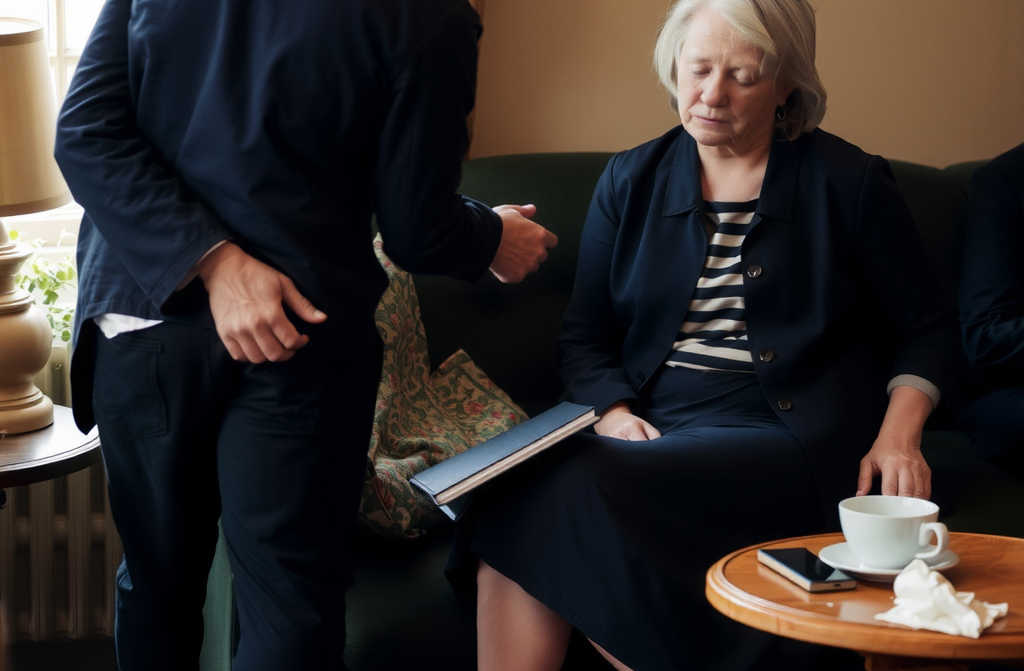
  • Dad, Open…”: The Truth the Father Saw in Luxurious Graves That Made Him Fall to His Knees”Dad, Open…”: The Truth the Father Saw in Luxurious Graves That Made Him Fall to His Knees

    Henry’s hands shook with such unnatural force in the haze that he nearly dropped the small warm piece of amber set in silver, the band biting into his fingers while a trapped cry lodged like a shadow in his throat. The silence pressed down so heavily it seemed the ancient trees of Highgate Cemetery had forgotten how to whisper at all. The men in black suits, who seconds before had been ready to haul the grimy youth away, stood frozen as if the dream itself had seized them.

    “Open it,” Henry said, the words barely escaping. His voice, once steady and certain amid boardroom debates, now fluttered like a leaf adrift in a strange wind.

    “Mr. Henry, the procedure… the papers… the doctors’ note about the heart attack…” the funeral director stammered, pushing his glasses higher.

    “Open. It.” Each syllable struck like a distant echo this time. Henry moved forward, brushing past the lavish wreaths that felt oddly misplaced. Rules of conduct and the eyes of high society meant nothing now. He was no longer the business tycoon. He was simply a father who had just felt a wild surge of hope poured straight into his core.

    The attendants raised the polished mahogany lid with heavy tools. The wood groaned as though alive and in agony, and Henry’s soul groaned with it. When the lid slid free, the gathered figures drew one sharp, collective breath.

    A girl lay inside. It was Emily’s dress, Emily’s arranged hair… Yet when Henry reached her and took her left hand, turning the wrist to the light, the skin was smooth and waxy, untouched. No mark. No small crescent that had stayed with her since that summer twilight when her father had shown her how to ride a bicycle and her mother had stirred fragrant raspberry jam in the kitchen that seemed far away.

    “This is not her…” A cry broke from Henry’s chest, raw and unexpected from a man built of iron. “This is not my girl!”

    The face was foreign, covered by careful layers of paint someone had applied with eerie skill to make it seem real. Henry turned to the youth still crouched nearby, arms locked around his thin legs as if to hold the scene together.

    “Where is she?” Henry dropped to his knees in the dirt before the street child, the dirt he had always stepped around in ordinary hours. His fine trousers soaked through at once, but it no longer mattered. He gripped the lad by the shoulders, tears gathering. “Where is my daughter, son?”

    “I’ll show you… Only hurry. Her husband… Mr. Thomas… said today it would all finish,” the youth whispered.

    Thomas. The son-in-law. The man Henry had brought into the family as a son and given half the shares, now vanished from the blurred edges of the crowd. Thomas had slipped away the moment the boy drew out the ring, as if the object had the power to erase him from the dream.

    The car sped along London’s streets, breaking every rule as though rules bent like soft wax here. Henry drove, while beside him on the soft leather the youth named Matthew huddled, smelling of pavements, damp cellars, and cheap tea. To Henry that scent was richer than any perfume just then. It carried the feel of life itself.

    The old industrial quarter past the station. Crumbling buildings with broken windows, a wash of gray, and a cold that bit deep. Matthew led Henry across warped planks to the back of the structure where offices had once stood.

    “Here,” the boy said, pointing to heavy iron doors held by a thick chain.

    Henry did not pause. With the guards who had caught up, they forced the lock. The doors rasped open like something waking unwillingly.

    On the floor, head resting on a filthy old jacket, lay Emily. She was pale, shaking from the chill, lips blue, her eyes holding an endless animal fear her father had never seen. At the sight of light and the men she curled tight, hands covering her face.

    “Don’t touch me… Thomas, please…” she whispered, all hope gone.

    “Emily! Emily, my girl!” Henry crossed the space as if pulled by unseen threads. He fell beside her on the cold concrete, wrapping her in his large warm coat and pressing her to his heart with a force that seemed meant to warm her whole world.

    The girl went still for a breath, then, catching the familiar scent of her fatherthe one man who had never betrayed hershe began to sob with a feverish shake. Her hands clutched his jacket.

    “Dad… daddy… he said you would die if I didn’t sign the papers… He locked me away, dad… He gave me pills, it hurt so much… I thought I’d never see you again,” she cried, tears running down Henry’s neck and burning away the old cold.

    “Shh, my little one, shh… I’m here. It’s over. Dad is with you. No one, do you hear, no one in this world will ever touch you again,” Henry said, his own voice breaking as tears came freely. For the first time in fifteen years, since his wife had gone, he let himself be only a soft, loving father.

    Two months drifted past in the dream’s loose way.

    In the wide, bright living room of Henry’s house the scent of freshly baked apple pie with cinnamon drifted like a gentle memoryEmily had made it herself, the first time in a long while. Three cups of tea stood on the table.

    Emily sat there, color back in her face though her eyes still carried the quiet depth of someone who had seen much. Beside her sat Matthew, clean and dressed in new warm clothes, a little shy of his large hands as he took a careful bite of pie. Henry had bought him a flat, sorted the school papers, and taken him into the family as a true member. It was this boy from the streets who had saved what mattered most.

    Henry sat across from them, watching his daughter. She lifted the cup with her left hand, and a shaft of sunlight fell on the small crescent scar at her wrist.

    Business, money, influenceeverything that had once seemed life’s true aim to Henry now looked like pale shadows. He understood the real truth: we chase after things, raise walls of pride, and forget to tell our children how deeply we love them. We save embraces for tomorrow, yet that tomorrow may never arrive.

    “Dad, what are you thinking about?” Emily asked softly, noticing his gaze.

    Henry reached out, took her hand, and sighed quietly. “I’m thinking how fragile happiness is… And how blessed I am to have been given another chance to hold you.”

    Dear friends, as I read this story I thinkhow often, through daily worries, work and haste, do we forget to simply call our children or parents? How often do we fail to listen to our intuition that warns of danger? Share in the comments if there have been moments in your life when a mother’s or father’s intuition saved your family from a great misfortune? I look forward to your stories….Henry’s hands shook with such unnatural force in the haze that he nearly dropped the small warm piece of amber set in silver, the band biting into his fingers while a trapped cry lodged like a shadow in his throat. The silence pressed down so heavily it seemed the ancient trees of Highgate Cemetery had forgotten how to whisper at all. The men in black suits, who seconds before had been ready to haul the grimy youth away, stood frozen as if the dream itself had seized them.

    “Open it,” Henry said, the words barely escaping. His voice, once steady and certain amid boardroom debates, now fluttered like a leaf adrift in a strange wind.

    “Mr. Henry, the procedure… the papers… the doctors’ note about the heart attack…” the funeral director stammered, pushing his glasses higher.

    “Open. It.” Each syllable struck like a distant echo this time. Henry moved forward, brushing past the lavish wreaths that felt oddly misplaced. Rules of conduct and the eyes of high society meant nothing now. He was no longer the business tycoon. He was simply a father who had just felt a wild surge of hope poured straight into his core.

    The attendants raised the polished mahogany lid with heavy tools. The wood groaned as though alive and in agony, and Henry’s soul groaned with it. When the lid slid free, the gathered figures drew one sharp, collective breath.

    A girl lay inside. It was Emily’s dress, Emily’s arranged hair… Yet when Henry reached her and took her left hand, turning the wrist to the light, the skin was smooth and waxy, untouched. No mark. No small crescent that had stayed with her since that summer twilight when her father had shown her how to ride a bicycle and her mother had stirred fragrant raspberry jam in the kitchen that seemed far away.

    “This is not her…” A cry broke from Henry’s chest, raw and unexpected from a man built of iron. “This is not my girl!”

    The face was foreign, covered by careful layers of paint someone had applied with eerie skill to make it seem real. Henry turned to the youth still crouched nearby, arms locked around his thin legs as if to hold the scene together.

    “Where is she?” Henry dropped to his knees in the dirt before the street child, the dirt he had always stepped around in ordinary hours. His fine trousers soaked through at once, but it no longer mattered. He gripped the lad by the shoulders, tears gathering. “Where is my daughter, son?”

    “I’ll show you… Only hurry. Her husband… Mr. Thomas… said today it would all finish,” the youth whispered.

    Thomas. The son-in-law. The man Henry had brought into the family as a son and given half the shares, now vanished from the blurred edges of the crowd. Thomas had slipped away the moment the boy drew out the ring, as if the object had the power to erase him from the dream.

    The car sped along London’s streets, breaking every rule as though rules bent like soft wax here. Henry drove, while beside him on the soft leather the youth named Matthew huddled, smelling of pavements, damp cellars, and cheap tea. To Henry that scent was richer than any perfume just then. It carried the feel of life itself.

    The old industrial quarter past the station. Crumbling buildings with broken windows, a wash of gray, and a cold that bit deep. Matthew led Henry across warped planks to the back of the structure where offices had once stood.

    “Here,” the boy said, pointing to heavy iron doors held by a thick chain.

    Henry did not pause. With the guards who had caught up, they forced the lock. The doors rasped open like something waking unwillingly.

    On the floor, head resting on a filthy old jacket, lay Emily. She was pale, shaking from the chill, lips blue, her eyes holding an endless animal fear her father had never seen. At the sight of light and the men she curled tight, hands covering her face.

    “Don’t touch me… Thomas, please…” she whispered, all hope gone.

    “Emily! Emily, my girl!” Henry crossed the space as if pulled by unseen threads. He fell beside her on the cold concrete, wrapping her in his large warm coat and pressing her to his heart with a force that seemed meant to warm her whole world.

    The girl went still for a breath, then, catching the familiar scent of her fatherthe one man who had never betrayed hershe began to sob with a feverish shake. Her hands clutched his jacket.

    “Dad… daddy… he said you would die if I didn’t sign the papers… He locked me away, dad… He gave me pills, it hurt so much… I thought I’d never see you again,” she cried, tears running down Henry’s neck and burning away the old cold.

    “Shh, my little one, shh… I’m here. It’s over. Dad is with you. No one, do you hear, no one in this world will ever touch you again,” Henry said, his own voice breaking as tears came freely. For the first time in fifteen years, since his wife had gone, he let himself be only a soft, loving father.

    Two months drifted past in the dream’s loose way.

    In the wide, bright living room of Henry’s house the scent of freshly baked apple pie with cinnamon drifted like a gentle memoryEmily had made it herself, the first time in a long while. Three cups of tea stood on the table.

    Emily sat there, color back in her face though her eyes still carried the quiet depth of someone who had seen much. Beside her sat Matthew, clean and dressed in new warm clothes, a little shy of his large hands as he took a careful bite of pie. Henry had bought him a flat, sorted the school papers, and taken him into the family as a true member. It was this boy from the streets who had saved what mattered most.

    Henry sat across from them, watching his daughter. She lifted the cup with her left hand, and a shaft of sunlight fell on the small crescent scar at her wrist.

    Business, money, influenceeverything that had once seemed life’s true aim to Henry now looked like pale shadows. He understood the real truth: we chase after things, raise walls of pride, and forget to tell our children how deeply we love them. We save embraces for tomorrow, yet that tomorrow may never arrive.

    “Dad, what are you thinking about?” Emily asked softly, noticing his gaze.

    Henry reached out, took her hand, and sighed quietly. “I’m thinking how fragile happiness is… And how blessed I am to have been given another chance to hold you.”

    Dear friends, as I read this story I thinkhow often, through daily worries, work and haste, do we forget to simply call our children or parents? How often do we fail to listen to our intuition that warns of danger? Share in the comments if there have been moments in your life when a mother’s or father’s intuition saved your family from a great misfortune? I look forward to your stories….

  • ‘Don’t sign that contract,’ the housekeeper warned the tycoon during the talks. What she whispered next made him freeze.

    ‘Don’t sign that contract,’ the housekeeper warned the tycoon during the talks. What she whispered next made him freeze.

    I rose before the sun, the faint clink of the old alarm clock startling me awake in my modest flat in East London. I switched it off gently, careful not to rouse my younger brother, Tom, who lay breathing shallowly in the next room. His pallid face and the hiss of his lungs reminded me daily of the illness that was slowly draining him.

    While I boiled tea and scrumbled together a simple breakfast, thoughts of the money needed for Toms medication crowded my mind. My wages as a cleaner barely covered the rent, and the bills seemed to multiply each week.

    Today will be better, I muttered to myself, smoothing the grey uniform before heading out. The towering glass office in Canary Wharf loomed ahead, a stark contrast to my cramped life. Every morning I slipped through the revolving doors with a tentative smile, then straight to the staff locker to begin the day.

    Most people ignored me, which, in a way, suited me fine. That morning the companys chief, Charles Whitaker, moved through the building with an unusually tightlipped demeanor. The multimillionaire, famed for his cold efficiency, was gearing up for a crucial meeting with overseas investors.

    Dressed immaculately, shoulders set in a proud, intimidating posture, he commanded attention. Nothing will be tolerated today, he barked at his team before marching into the conference suite.

    I was sweeping the corridors, watching the nervous flutter of staff as they prepared for the session. When the hour struck, Charles entered the meeting room flanked by his legal team. The investors were already seated, papers spread before them, exchanging measured smiles.

    My task was to give the room a quick onceover before the talks began, so I dusted the table and tried to stay invisible. The doors shut, but not completely, and from the hallway I caught fragments of conversation.

    One of the investors, an elderly gentleman with a thick accent, urged Charles to sign the contract immediately. This is an opportunity you cannot miss, Mr. Whitaker, he said. Charles replied coolly, I will not rush. My team will review everything first. Though his tone was firm, the pressure on him was evident.

    As I finished wiping the surface, a name slipped from the investors lips and froze my blood. It was the name of the man whose fraudulent scheme had ruined my fathers life years ago. My family had lost everything; my father died from the stress it caused.

    Without thinking, I stepped into the conference room, my heart pounding as eyes turned to me. Charles Whitaker, stop! Dont sign that contract, I blurted, voice trembling yet resolute.

    The room fell dead quiet. Charles rose, his face a mixture of shock and anger. What are you doing here? he snapped.

    I lowered my gaze, feeling I had crossed a line, but I pressed on. Im just trying to warn you. That man is unreliable. My family lost everything because of people like him, I said, my voice shaking.

    He glared at me, his sneer sharp. And who are you to tell me what to do? he retorted. The cleaning ladys words struck him like a blade.

    I have nothing to lose, Charles, I replied, trying not to let my fear show. I only wanted to protect you.

    He turned to his staff. Get her out and make sure she never interrupts me again. They escorted me out while my heart raced and tears welled.

    I knew I had risked my job, but I could not stay silent. Even as the doors closed behind me, I could still hear muffled voices. Inside, Charles tried to regain control, his expression unreadable yet his eyes betraying tension. He addressed the investors calmly, I apologise for the interruption. My employee must have been overwhelmed. We will address this later.

    The senior investor, a man with a heavy foreign accent, asked, Mr. Whitaker, are you sure everything is under control? Charles nodded, maintaining composure.

    The atmosphere stayed tense, and after another half hour the investors decided to postpone the meeting. Perhaps we should reconvene when the circumstances are more favourable, one suggested. Charles agreed, realizing pressing on would be pointless.

    When the investors finally left, Charles stood alone, breathing heavily. My words haunted him; the memory of my fathers ruin resurfaced. He pressed the intercom. Clara, bring me all the data on these investors, he ordered. Immediately, she replied.

    Later that afternoon, I returned to the cleaning cupboard, my hands shaking. I knew my actions might cost me my job, but I had no other choice.

    At the end of the day I gathered courage and knocked on Helens officeour floor manager. Helen, can I speak with you? she asked, looking up from her paperwork.

    I want to apologise for what I did earlier. I overstepped, but I couldnt stay silent, I said, eyes downcast.

    She regarded me, a mixture of sternness and curiosity in her gaze. Charles Whitaker could have fired you on the spot, she noted. I know, but I felt it was right, I replied. She paused, then said, Carry on as usual. Dont worry.

    I left her office feeling a little lighter, though the uncertainty lingered. From his own office, Charles watched me exit, his mind replaying my sudden outburst. Years of distrust had taught him to guard against challenges, yet my desperate plea had unsettled his usual cold world.

    He rifled through a stack of documents, sighing. For the first time in years, someone had pierced his composure. Meanwhile, I tried to continue my duties, constantly feeling his gaze on me. Every footstep in the corridor set my pulse racing, and I wondered whether his silence meant something moreor if a storm was brewing.

    Charles delved deeper into the investors files. The more he uncovereddubious transactions, hidden lawsuits, contracts that had led other firms to ruinthe clearer it became that I had possibly saved him from disaster. His irritation grew as he realised his analysts had endangered the companys reputation and future.

    He pressed the intercom again. Clara, call Viktor Smith, the senior analyst who handled these deals. A middleaged man entered, looking nervous. Did Charles Whitaker summon me? Viktor asked.

    Charles stared at him, irritation barely contained. Sit down, Viktor, he said, tossing a folder of incriminating documents onto the desk.

    Viktors eyes widened as he scanned the papers. We followed standard protocols. At first glance everything seemed clean, he stammered.

    First glance? Charles snapped, standing. This isnt negligence. Youve jeopardised thousands of jobs. Do you understand the risk? Viktor swallowed. We can recheck, Im sure we can fix it.

    Apologies are useless now, Charles replied, voice icecold. Youre dismissed. Viktor left without protest, the door closing behind him.

    Later, Charles called his chief solicitor, Alexander. Suspend any negotiations with these investors until we have full clarity, he ordered. What prompted this change, Charles? Alexander asked.

    Charles paused, thinking of my desperate face. Lets call it instinct, he answered curtly.

    That evening I trudged home, my thoughts looping around the days events. Tom, still pale but smiling, greeted me with a fresh drawing. Hed sketched a large, cosy house surrounded by a garden and a bright sun.

    Its beautiful, Tom. One day well live in a place like that, I said, trying to sound hopeful.

    He beamed, Really?

    Of course, love, I replied, kissing his forehead before setting about dinner from our modest pantry.

    As I stirred the soup, tears slipped down my cheeks. Why did I have to speak up? What if I lose my job? I whispered to the empty kitchen, while Charles sat in his sleek glass office, the contract he almost signed lying before him. My words rang in his ears: This man is unreliable. My family lost everything because of someone like him. He sighed, pressing the call button for his assistant.

    He leaned back, eyes scanning the London skyline, trying to convince himself that his usual caution was enough. Yet the evidence kept mounting, confirming my warning.

    The next morning, as I polished the windows on the upper floor, Charles passed by again. Our eyes met briefly; I quickly looked away, my heart thudding. He gave a barelyvisible nod and moved on, but the encounter left me on edge all day.

    At lunch, my friend Lucy approached. You alright, Ethel? she asked.

    Fine, I replied, forcing a smile.

    You dont look convinced. She pressed, Is it about Charles?

    I shook my head, unwilling to share. Deep down I knew his attitude had shifted; he was no longer the unapproachable titan Id imagined.

    Charles, meanwhile, began to seek me out more oftenpassing through corridors as I cleaned, lingering near the staff lounge. He kept his professional façade, yet his gaze softened whenever he saw me.

    One evening, after a long day, he called his assistant. Clara, arrange a dinner at my flat. Invite Ethel and her brother. Clara, surprised but compliant, set the plan in motion.

    When the invitation arrived, I was stunned. I wasnt used to such gestures. Lucy urged me to accept. You deserve a night out, Ethel. Everyone will be jealous of you being invited by Charles Whitaker, she teased.

    I hesitated, then agreed. The night of the dinner, I wore a simple, elegant dress Lucy helped me choose. Tom arrived, eyes bright with excitement. Charles greeted us warmly at his townhouse in Hampstead.

    Welcome, he said, his tone unusually gentle.

    The evening unfolded in a cosy atmosphere. Tom chattered about his latest drawing, and Charles listened attentively, casting frequent, kind glances at me. As the night drew to a close, Charles escorted us to the door, then took my hand. Youve changed my life, Ethel, he murmured. It means a great deal to me. I could only nod, my throat tight.

    In the days that followed, his words lingered. I had never experienced such attention from someone of his world. Yet doubt gnawed at me. At work, Lucy whispered, Youve noticed Charles looking after you more, havent you? I blushed, denying it, but my thoughts kept drifting back to him.

    Charles, too, wrestled with his feelings. He admired my modesty, my strength, my devotion to Tom. Their lives were worlds apart, yet for the first time in years he didnt want to push those emotions aside.

    He invited me into his office one afternoon. Sit down, Ethel, he said, gesturing to the chair opposite his desk. Ill be straight with you. Our backgrounds are completely different, but since you entered my life, things have shifted. Youve taught me what courage and honesty look like.

    I stared, bewildered. He continued, Call me Charles. I lowered my eyes, cheeks flushing. I dont know what to say, I whispered. He softened, You dont have to. Just let me be there for you and Tom, not out of duty but because I care. Warmth flooded my chest.

    That night I lay awake, watching Toms steady breathing, pondering how much my life had altered in just a few weeks. Hope, fragile but present, began to sprout.

    The following week Charles invited us over again. This time the dinner felt like a family gathering. Tom proudly displayed a new sketch of the two of us together. Charles laughed, Your brother has talent. The atmosphere was relaxed, and after the meal he led me onto the balcony, the night sky glittering above.

    Ethel, he said softly, are you ready to let me into your life, not merely as a benefactor but as someone who truly wants to be with you?

    My throat tightened. I dont know what to say. Its all so sudden.

    He smiled gently, You mean more to me than a simple act of kindness. Im willing to walk this path with you, whatever it brings.

    Tears welled, and I whispered, Thank you. His hand rested nearby, patient, giving me space to decide.

    In the weeks that followed, Charles became a steady presence for Tom and me. He helped pay the medical bills, arranged for better care, and supported my brothers recovery. Our lives began to intertwine, and the gap between our worlds narrowed.

    Eventually we married in a modest ceremony, surrounded by a handful of close friends and colleagues. Tom, dressed sharply, stood beside his sister, beaming with pride.

    As I walked down the aisle toward Charles, his eyes met mine, shining with affection. You are everything I have been searching for, he whispered. And you are my fresh start, I replied, smiling.

    When we exchanged vows, applause filled the room, sealing a moment that would linger forever. After the wedding, we settled into a cosy house in a leafy suburb, building a new life togetherone where hope finally outweighed the shadows of the past.

  • For years, I was a silent shadow among the shelves of the grand public library. No one really saw me, and that was fine… or at least that’s what I thought. My name is Emily

    In the haze of this strange dream, the head librarian Mr. Harrington stood like a figure carved from unyielding stone, his face stern and his voice measured like the slow drip of water in a cavern. He looked me over from above and below and uttered in a tone that seemed to come from another realm: You may begin tomorrow but ensure no children are making noise. Do not let them be seen. I had no choice within the logic of the dream. I accepted without a question. The library held a forgotten corner next to the ancient archives, where a small room contained a bed covered in dust and a bulb that had expired long ago. There Sophie and I slept. Each night while the world slumbered, I dusted the shelves that stretched on like pathways through a labyrinth of forgotten memories, polished the long tables that reflected distorted images, and emptied baskets full of papers and wrappers that floated upward as if defying gravity. No one looked into my eyes; I was merely the woman who cleans. But Sophie she looked. She watched with the curiosity of one discovering an entirely new universe unfolding in the dark. Every day she whispered to me: Mother, I am going to write stories that everyone will want to read. And I smiled, though inside it pained me to know her world was limited to those dim corners where time moved in slow circles. I taught her to read using old children’s books found on the discard shelves. She sat on the floor, hugging a tattered copy, losing herself in distant worlds as the dying light fell upon her shoulders like a cloak woven from shadows. When she reached twelve years, I gathered the strength to ask Mr. Harrington something that seemed vast in this place: Please, sir, let my daughter use the main reading room. She loves the books. I will work more hours and pay you from my savings. His response was a dry mockery that echoed oddly: The main reading room is for the users, not for the children of the staff. So we continued the same. She read in silence in the archives, never complaining as the dream demanded. At sixteen, Sophie was already writing stories and poems that began to win local prizes, like prizes that materialized from thin air. A professor from the university noticed her talent and told me: This girl has a gift. She can be the voice of many. He helped us secure scholarships, and so Sophie was accepted into a writing program in America, where the rules bent differently. When I gave the news to Mr. Harrington, I saw his expression change like a reflection in rippling water: Wait the girl who always stayed in the archives is she your daughter? I nodded. Yes. The same one who grew while I cleaned your library. Sophie left, and I kept cleaning. Invisible like a wisp of smoke. Until one day, the dream took a strange turn. The library entered a crisis. The local council cut the funds, people ceased to visit, and talk arose of closing it forever. It seems no one cares anymore, said the authorities, their words hanging in the air like fog. Then a message arrived from America: My name is Dr. Sophie Whitaker. I am an author and academic. I can help. And I know the municipal library well. When she appeared, tall and sure, no one recognized her. She walked to Mr. Harrington and said: Once you told me the main room was not for the staff’s children. Today, the future of this library is in the hands of one of them. The man broke, tears running down his cheeks like streams in an impossible landscape: I am sorry I did not know. I did, she responded softly. And I forgive you, because my mother taught me that words can change the world, even when no one listens. In a few months, Sophie transformed the library: she brought new books that seemed to hum with life, organized workshops for young people to create stories, created cultural programs that appeared overnight, and did not accept a single penny in return. She only left a note on my table: This library once saw me as a shadow. Today I walk with my head held high, not from pride, but for all the mothers who clean so their children can write their own story. Over time, she built me a bright house with a small personal library where books rearranged themselves. She took me to travel, to know the sea that shifted shapes, to feel the wind in places that before I only saw in the old books she read as a child. Today I sit in the renewed main room, watching children read aloud under the windows she ordered restored. And each time I hear the name Dr. Sophie Whitaker on the news or see it printed on a cover, I smile. Because before, I was only the woman who cleaned. Now, I am the mother of the woman who returned the stories to our town.In the haze of this strange dream, the head librarian Mr. Harrington stood like a figure carved from unyielding stone, his face stern and his voice measured like the slow drip of water in a cavern. He looked me over from above and below and uttered in a tone that seemed to come from another realm: You may begin tomorrow but ensure no children are making noise. Do not let them be seen. I had no choice within the logic of the dream. I accepted without a question. The library held a forgotten corner next to the ancient archives, where a small room contained a bed covered in dust and a bulb that had expired long ago. There Sophie and I slept. Each night while the world slumbered, I dusted the shelves that stretched on like pathways through a labyrinth of forgotten memories, polished the long tables that reflected distorted images, and emptied baskets full of papers and wrappers that floated upward as if defying gravity. No one looked into my eyes; I was merely the woman who cleans. But Sophie she looked. She watched with the curiosity of one discovering an entirely new universe unfolding in the dark. Every day she whispered to me: Mother, I am going to write stories that everyone will want to read. And I smiled, though inside it pained me to know her world was limited to those dim corners where time moved in slow circles. I taught her to read using old children’s books found on the discard shelves. She sat on the floor, hugging a tattered copy, losing herself in distant worlds as the dying light fell upon her shoulders like a cloak woven from shadows. When she reached twelve years, I gathered the strength to ask Mr. Harrington something that seemed vast in this place: Please, sir, let my daughter use the main reading room. She loves the books. I will work more hours and pay you from my savings. His response was a dry mockery that echoed oddly: The main reading room is for the users, not for the children of the staff. So we continued the same. She read in silence in the archives, never complaining as the dream demanded. At sixteen, Sophie was already writing stories and poems that began to win local prizes, like prizes that materialized from thin air. A professor from the university noticed her talent and told me: This girl has a gift. She can be the voice of many. He helped us secure scholarships, and so Sophie was accepted into a writing program in America, where the rules bent differently. When I gave the news to Mr. Harrington, I saw his expression change like a reflection in rippling water: Wait the girl who always stayed in the archives is she your daughter? I nodded. Yes. The same one who grew while I cleaned your library. Sophie left, and I kept cleaning. Invisible like a wisp of smoke. Until one day, the dream took a strange turn. The library entered a crisis. The local council cut the funds, people ceased to visit, and talk arose of closing it forever. It seems no one cares anymore, said the authorities, their words hanging in the air like fog. Then a message arrived from America: My name is Dr. Sophie Whitaker. I am an author and academic. I can help. And I know the municipal library well. When she appeared, tall and sure, no one recognized her. She walked to Mr. Harrington and said: Once you told me the main room was not for the staff’s children. Today, the future of this library is in the hands of one of them. The man broke, tears running down his cheeks like streams in an impossible landscape: I am sorry I did not know. I did, she responded softly. And I forgive you, because my mother taught me that words can change the world, even when no one listens. In a few months, Sophie transformed the library: she brought new books that seemed to hum with life, organized workshops for young people to create stories, created cultural programs that appeared overnight, and did not accept a single penny in return. She only left a note on my table: This library once saw me as a shadow. Today I walk with my head held high, not from pride, but for all the mothers who clean so their children can write their own story. Over time, she built me a bright house with a small personal library where books rearranged themselves. She took me to travel, to know the sea that shifted shapes, to feel the wind in places that before I only saw in the old books she read as a child. Today I sit in the renewed main room, watching children read aloud under the windows she ordered restored. And each time I hear the name Dr. Sophie Whitaker on the news or see it printed on a cover, I smile. Because before, I was only the woman who cleaned. Now, I am the mother of the woman who returned the stories to our town.

  • Three Lovely Women Vied for His Affection—But It Was His Infant Son Who Chose the One Who Truly Felt Like Family

    That evening, the old redbrick house on the outskirts of Bath was awash with surreal splendour: sapphire gowns, delicate bone china, long-stemmed roses arranged in crystal vasesyet only a little boy, unsteady on his feet, was honest enough to reveal a beating heart amongst masquerading souls.

    Arthur Bennett had designed hotels from Manchester to London, but since losing his wife, he had not found it in himself to restore his own world. His Somerset manor brimmed with a butler, cooks, sweeping lawns, and rooms he rarely entered; only little Harrythirteen months, wide-eyed, his laughter bright and sudden as a streak of dawn over the Cotswoldsfilled the hollow spaces with life.

    Arthur knew why people accepted his invitations. It was Arthurs name, it was money in pounds, it was access to a life once illuminated by his late wifes easy warmth.

    That was why he arranged this dinner.

    Three women had said yes.

    Charlotte, a society favourite with laughter that could cut glass. Grace, sharp as a city lawyer, suggesting alliances in the careful language of mergers and contracts. Daisy, who kept a modest bakery down the High Street and once delivered scones to a charity supported by Arthurs late wife.

    Charlotte praised the house, marvelling at the yew hedges as her gloves vanished. Grace quizzed Arthur about his hotel empire and its future. Daisy paused beside a photo atop the cabineta young woman cradling baby Harry, hospital-smiled and exhausted.

    She looks kind, Daisy said quietly.

    Arthur could not trust himself to answer.

    At supper, Harry presided in his high chair, banging his spoon as if to summon order in the House of Commons. Charlotte sparkled for the onlookers; Grace nodded approvingly at Harry’s admirable temperament. Daisy quietly offered Harry soft bread, torn into gentle chunks.

    Charlotte leant in, voice unguarded, You need a woman who can survive all thisa strong stomach, not sentimentality.

    Daisy heard. So did Arthur.

    Moments later, Harry sent his cup flying. Milk pooled across the parquet. Charlotte recoiled, clutching her skirts. Grace signalled for the housekeeper. Daisy simply fetched a napkin and wiped the spill herself.

    Its only milk, after all, she said, the sort of phrase youd use in chaotic family kitchens. These things happen.

    Harry grinned up at her.

    A little later, thunder echoed from the rolling fields, and the lights dipped. Harry whimpered. Daisy began humminga snatch of an old music hall song, the kind you might hear while peeling potatoes in late winter. Harry quietened, hazel eyes on hers.

    Then he scrambled up from the rug.

    Arthur held his breath, heart halting its routine.

    Harrys journey, two wobbly steps through the hush of an elegant room, was the only real event the night could offer.

    Charlotte beckoned, voice honeyed for effect. Grace set out her arms, not missing a moment for display. But Harry toddled past them and rested his hands against Daisys knees, cheek placed with conviction upon blue muslin.

    And that was it.

    Arthurs insides crumpled, but not from griefrelief, as if the air itself had turned sweet again.

    No declarations needed. No speeches about real love. Harry had simply slipped towards safetythe person who cleaned spilled milk, remembered his mother, and hummed when thunder menaced.

    No one moved for a long breath.

    Harry leaned against Daisy, gripping her plain blue skirt, the storm forgotten.

    Arthur felt as though he was seeing his son for the first time. The boy had smiled before; hed clapped at pigeons under the arbour, clung to Arthurs neck through endless nights where sorrow haunted the staircase. But this was trust. This was choosing.

    Charlottes beautiful smile fractured a little, Grace withdrew her extended hand, and the servants looked studiously away, some with tears blurring their vision.

    Daisy bent to look Harry in the face. Hello, young sir, she whispered.

    Harry patted her leg, making a serious oh as if hed handed down a verdict.

    Arthur chuckled, the sound strangely out of place in such a rooma draught in a sealed room, new and unknown.

    Charlotte tutted. Children, she ventured, turning pearls in her fingers, so unpredictable.

    But her words had no edge left.

    Grace folded her napkin with surgical precision. A touching moment, she offered, but surely you dont let a childs wanderings dictate life decisions?

    Arthur regarded them both. For years, people had spoken as if his life were a carefully managed estate, his name something to be dusted and prized, his house a theatre for impressive applause. Praise for his discipline, for the fortune in pounds, for keeping up appearancesnever for living.

    But DaisyDaisy hadnt looked at the house. Shed seen the photograph. Shed seen the spilled milk. Shed heard a frightened cry.

    Harry knew.

    Perhaps children, unfamiliar with titles or intricate conversation, see past all the clever façades.

    Arthur stooped and picked up Harry. The boy reached, not fussing, just stretching a plump hand towards Daisy. Tears welled briefly in Daisy’s eyes; she blinked them away and stood.

    I think I should leave, she said softly. This has grown too intimate.

    Arthur frowned gently. Intimate?

    Daisy glanced at the photo on the sideboard, then rummaged in her handbag for a battered envelope.

    I didnt only come to supper because you asked, she confessed.

    Charlottes eyebrows travelled northward. Graces mouth tightened.

    Daisy held out the envelope, edges frayed and soft.

    Your wifeClaraused to visit my bakery. Not for the French patisserie, but for a clumsy Chelsea bun, too much icing and never quite baked even.

    Arthur smiled, memory twisting sharp and golden: Clara, who loved uneven things. A mug chipped at the rim, the first snowdrop in a muddy lawn, a candlestick that managed not to match.

    Shed come in before sunrise, before the city woke. Sometimes with Harry in a faded yellow blanket, rocking him at the counter, buying bread for the local womens shelter.

    Arthurs throat closed with longing.

    Clara never told Daisy about their life of gardens and grand parties. She spoke about home. She said, A house can be lonely if youre afraid of crumbs, or spillages, or too much noise before breakfast.

    A housekeeper dabbed at her eyes with her sleeve.

    Harry, meanwhile, drew circles on Arthurs shirt, oblivious as ever to all the spectacle.

    Daisy pressed the envelope to her chest. Before she died, she asked me to keep this, she said. Not too soon, she said. Not until Arthur lets the world back in. And when he does, remind him: don’t choose the woman who loves the house. Choose the one wholl love what happens inside it.

    Arthur was undone. So many days, hed counted the absent joys, cursed the silences interrupted only by the shifting of old floorboards and keening wind.

    And now, a bakers plain hand had brought Claras heart back to himnot as a shadow, but as a comfort.

    He opened the envelope, fingers unsteady.

    Arthur,

    If youre reading this, it means youre finding your way back.

    Dont feel guilty.

    Harry will need holding armsnot just ones on display. Hell need songs at supper, stories on foggy evenings, and someone who knows love is not all theatre. Love is scrubbing out stains, cutting toast into little squares, sitting with a frightened child during a storm.

    Dont choose the woman who acts lovingchoose the one who forgets all that and simply is.

    Forgive yourself, darling.

    Our home was never meant to fall silent forever.

    Clara

    Arthurs tears came quietly at first. He stepped away from the others, flushed with emotion, but Daisy simply stood steadyno fuss, no performance, just steadfast in the way of old friends in a crisis.

    Charlotte found the knots in the carpet more interesting.

    At the door Grace lingered. I think we should go, she said. Charlotte did not protest. At the threshold Charlotte looked at Henry, then Daisy. I was unkind, she said, awkward but genuine.

    Daisy nodded. Yes. But so am I, sometimes, when Im afraid.

    No malice, just truth.

    Charlotte swallowed, almost grateful, then slipped away into the wet darkness.

    Grace hesitated a moment. She was right, you know. About the house. It isnt the walls. Its who lives in them. And then she too was gone.

    A profound hush circled the room.

    The house was quieter now, yet the space seemed to breathe a little.

    Arthur turned to Daisy. All this time?

    She shrugged. Didnt know when to give it back. I was afraid youd think I wanted something.

    What did you want?

    She watched Henry, now flagging, his head slumping on Arthur’s shoulder. Just to keep a promise to a woman who sat in my little bakery, who asked me about scones and made me feelseen. Kindness like that saves the odd person, you know, and she never even knew.

    Arthur felt another wall fall. Claras kindness hadnt died with her, after all. It lived in a bakery, in a faded envelope, in a song hummed to calm a storm.

    Henry lifted his tired head, reaching again for Daisy.

    Arthur smiled through his tears. Would you stay for a cup of tea?

    Daisy glanced through the doorit led towards the old, lived-in kitchen, golden-lit, where the air always smelled of honey and flour. In the kitchen then. This room is too grand to relax in.

    And so they walked to the kitchennot the formal one for guests, but the hearth where cooks left a warm pot brewing, a scone basket under a checked cloth.

    Daisy slipped off her rain-splattered shoes. Arthur undid his cuffs. Harry clambered into his chair, contentedly scattering crumbs.

    No one scolded.

    The staff quietly gathered, no longer careful spectres but people again, as if someone opened the first window of spring.

    Daisy carved Harrys toast into squares.

    Arthur traced Claras letter with his finger. Sometimes love is only that.

    He closed his eyes, whispering, I forgive myself. Daisy didnt answer, only rested her hand on hisbrief, gentle, enough.

    Seasons shifted. The house became a home again. Mornings smelled of cinnamon and coffee rather than polish. Sophisticated stillness fell away, replaced by sticky fingerprints on doors, a wind-up duck on the table, Harry shouting Dah-sy! in greeting.

    Daisy never replaced Clarano one could. She spoke Claras name, kept her photograph, and baked Chelsea buns as uneven as ever.

    Here, once, grief had bounced through empty, echoing rooms. Now, in golden sunlight, Arthur sat beside Daisy, Henry asleep against her shoulder on the kitchen steps.

    He chose, Daisy whispered, before we dared admit it.

    Arthur watched his son and the woman beside him. Yes. He did.

    And quietly, without bravado or ceremony, love found its way backon the scent of new bread, simple songs, a battered letter, and one little boy whod known his heart.

    Sometimes salvation does not glitterit arrives with flour on its sleeve, a lullaby old as kitchens, and soft hands that reach down first.

    Sometimes it is a child who leads us, step by small step, home.

    Have you ever witnessed a child reveal the truth before anyone else dared see it?

    Tell us belowwhich small kindnesses have made you finally feel at home?

  • The Millionaire Popped the Question to His Housekeeper in the Kitchen… But His Mother’s Harsh Words Unraveled the Family’s Deepest Secret

    The millionaire asked his maid to marry him right there in the kitchen but it was his mothers harsh words that revealed their familys deepest secret.

    Imagine this the proposal happened while the eggs were still piping hot, and for a heartbeat, it felt like the whole Chelsea townhouse held its breath. Sarah was in the kitchen as usual, sleeves pushed up, bit of flour smudged across her cheek, setting out blueberry muffins on a delicate blue plate. Rain was pattering softly at the tall sash windows, and the rich aroma of tea and coffee drifted in the air.

    Then in walks Mr. James Ashford. Shirt pressed, jacket over his arm, that elegant British reserve but with eyes that gave the game away. All business vanished from his face.

    He just stood there, right in the doorway, and in this gentle, unhurried voice he said, Sarah, I cant let another morning go by without saying it. Will you marry me?

    Honestly, the spoon nearly slipped from Sarahs hand and clanged against the counter. Poor girl just gaped at her apron, then at him, almost as if that chequered cotton could remind her where she belonged.

    Sir please, you mustnt joke about, she whispered.

    Ive never been more serious.

    But as soon as the words left his mouth, in sweeps his motherMrs. Margaret Ashford, all pearls and perfect posture, lips pinched tight.

    This is disgraceful, she snapped. A maid doesnt become mistress of this house. Sarah, youre to pack your things. Today.

    You could see the shock drain the colour from Sarahs face; she grabbed the back of a chair just so she didnt topple over.

    But James was there in a flash. No, he said, taking her hand. She isnt leaving.

    Margarets laugh was pure ice. Youre making a spectacle of yourself, James, for a woman who brings you tea and toast in the mornings.

    Something hard flashed in his eyes. She did a lot more than serve breakfast, Mother. When Father was ill and you couldnt bear to stay by his side, Sarah read to him each night. She caught the mistake with his medicine. She very nearly saved his life.

    Margarets face changed just then.

    Sarah, quiet and humble, kept her gaze on the floor. I didnt want anyone to know, she murmured. He was good to me. That was enough.

    James dug into his coat pocket and handed over an old, folded note. His fathers writing, all wobbly lines:

    If theres any decency left in this lot, youll find it in that girl.

    For once in her life, Margaret had nothing sharp to say. The kitchen just filled with the scents of tea, rain, and warm muffins. Sarah untied her apron and put it gently on the back of the chair.

    I wont stay where Im just meant to take orders, she spoke quietly.

    James pressed a kiss to her hand. Then stay here as the woman I love.

    Months later, Sarah was at that very same kitchen tablenot serving, but sharing breakfast. And when Margaret, hands a bit shaky, refilled her teacup, she spoke the last words anyone expected: Im sorry.

    No one moved for a moment. The rain still whispered at the glass; the kettle gave a faint hiss and a lone muffin had toppled off the plate, leaving a purple splodge like a bruise on the cloth.

    Margaret stared at the letter. She knew that handwriting by heart. Her husbands hand had trembled for years, but every loop still sounded so much like himgentle, honest, well-meaning in a way that always made her nervous.

    James didnt say another word, just stood by Sarah, fingers entwined, steady as if the whole house might crumble and he still wouldnt let go.

    Margaret finally reached for the note, her hands trembling as much as the old paper.

    There were more words inside:

    Sarah never looked for praise. Never wanted to be noticed. But on the coldest nights, with everyone out of sight, she brought me tea, read the Times, and proved that somewhere in this house, there was still kindness.

    Margarets mouth opened, but nothing came out.

    Sarah turned away. Shed never wanted fanfare or for anyone to repay her gentle acts. She just followed her heart.

    James looked at his mother. You thought she was beneath usbut she was the only one who truly cared for Father when he was at his worst.

    Margaret seemed to shrink. Years spent keeping the family name polished for Kensington society lunches and village fêtesbut now, in the soft kitchen light, with flour on Sarahs sleeve, she could no longer deny shed mistaken pride for dignity, silence for weakness.

    Sarah eased her hand from Jamess, not to leave, but because she needed to stand on her feet.

    I cared for your husband because he cared for me, she said. He asked after my mum, noticed when I was knackered, never treated my apron like a badge.

    The words were gentle, but they stung more than any shouting ever could.

    James edged closer.

    I should have spoken to you first. Not like this, and not in the middle of the kitchen, but I couldnt let another day go on. I should have honoured you properly.

    Sarah met his eyesnot with a smile, but with tears and the strength of someone used to being grateful for scraps of decency.

    I love you, James. But I wont just be another quiet presence in this house. Not a secret. Not a maid with fancier frock. Not someone your mother puts up with because you said so.

    Then we start again, somewhere newwherever you like. A small place. Mornings with our own cups, where neither of us has to look down.

    For the first time that day, Sarah let herself breathe.

    Margaret pressed the wrinkled letter to her chest. Something shifted inside hernot a sweeping transformation, but a slow unpicking of stitches that pride had sewn over the years.

    Margaret took a proper look at Sarahfloury cheeks, steady hands, those resolute eyes.

    Then, of all things, Margaret went to the sink, wet a clean towel with warm water, and handed it over. Youve got flour on your face, she said.

    Sarah hesitated. Such a tiny gesture, almost nothing. But in that house, coming from that woman, it felt like a bit of sunlight, finally, past the drawn curtains.

    Sarah accepted the towel. Thank you, she whispered.

    Margaret nodded, though her chin wobbled. I wasnt there enoughfor your father. Told myself I was busy keeping up appearances, but really I was frightened of his weakness.

    Years of silence hung on Jamess face.

    He waited for you, he said.

    Margaret covered her mouth, tears starting to fall.

    A new silence settledwarmer, softer, filled with the possibility of something healing at last.

    Sarah placed the towel on the countertop. He never held it against you. He always said you used to be gentlerbefore you tucked it away.

    Margarets eyes widened. He said that?

    Sarah nodded. And he made me promise one thing.

    James turned, curious. What was it?

    Sarah reached into her apron, fishing out an old brass key.

    Margaret gasped. Thats his study key.

    He gave it to me just before he passed, Sarah explained. Said there was a box, bottom drawer, not to open unless wed forgotten what loves meant to look like.

    Nobody spoke. James guided them down the hallway. The study looked untouched: leather chair, green lamp, the musty scent of old books and cedar. Margaret paused at the threshold, almost as if walking in meant facing all the evenings shed ignored.

    Sarah unlocked the drawer, and inside was a wooden box.

    James opened it. Letters, not documents. One for each: James, Margaret, and one addressed to Sarah in his distinctive hand.

    Margaret sank into the chair. James read aloud:

    My son, if youre reading this, it means you found the nerve to live for yourself. Dont let old pride shape your future. Choose the woman who brings warmth, not just social standing.

    His voice wobbled.

    Margaret struggled through hers:

    Dearest Margaret, youre stronger than anyone. You thought you had to stand above it all. But you dont. If Sarahs still here, be gentle. Shes comforted me more than she knows.

    Margaret clutched the letter to her chest and sobbed, dignity forgotten.

    Sarah hovered near the door, unsure.

    Margaret pulled herself together, looked right at her: Please. Dont go.

    Sarah glanced at James. He let her choose.

    She realised then: theres a difference between being held and being trapped.

    She stepped forward. Ill stay, but things must be different.

    Margaret wiped her eyes like a little girl. They will.

    And somehow, Sarah believed her.

    The wedding wasnt lavish. Sarah said no to velvet and chandeliers and nosy neighbours. They did it in the small garden behind the house, under the climbing roses and the fresh scent after rain.

    She wore a simple cream dress, delicate buttons at the sleeve.

    James wore the same silver watch as the day hed asked her.

    Margaret stood there with a handkerchief, not proud, but grateful and changed.

    As Sarah passed, Margaret squeezed her arm. You look beautiful, she breathed.

    Sarah smiled softly. Thank you, Margaret.

    Not Mrs. Ashford. Margaret. The weight of that change nearly brought her to tears again.

    Those first few months, the house changed in little ways, like air after you finally throw open a window. Sarah didnt creep into the kitchen before dawn anymoreunless she wanted to. Sometimes she still made her favourite thingsmuffins, scones, apple tart with scruffy edgesbut now James stood beside her, pinching crumbs and grinning.

    And Margaret started coming downstairs earlier. At first, she lurked awkwardly, asking after the tea. Then, one day, Sarah handed her an apron.

    Margaret, startled, peered at the mixing bowl like it was a social blunder. Sarah just smiled. Ill show you.

    So she did. Margaret was hopeless at first. Cracked eggs too hard. Spilled flour. Burnt an entire tray of crumpets so badly James laughed himself silly while Sarah wiped tears from her eyes.

    Margaret tried to be cross but, in the end, she laughed too. Properly. Rusty, but real.

    One Sunday, with rain blurring the windows again, Sarah found Margaret at the kitchen table, clutching her husbands letterall the folds worn soft. Sarah quietly made her a cup of tea.

    Margaret looked up. I was terrible to you, she said.

    Sarah sat down. Yes, she answered, gently, but firmly.

    Margaret winced, but Sarah went on. But youre learning. Thats what matters.

    Tears sprang to Margarets eyes. I dont deserve your kindness.

    Sarah wrapped her hands round her mug, the way you do on a chilly morning. Kindness isnt always about deserving, is it? We decide when the hurt ends with us.

    Margaret just watched her for a long, long time. Then, finally, she reached over and put her hand atop Sarahs.

    Im sorry, she saidnot as a formality, but like she finally meant it.

    Sarah looked at the woman whod once ordered her out, and saw not a villain, but someone terribly lonely and frightened, guarding a heart that simply needed to remember how to feel.

    I know, Sarah replied.

    And the rain eased, and the kitchen glowed with the warmth of rising muffins and new beginnings. James lingered in the doorway, watching his mother and wife, both hands round their teacups, neither servant nor masterjust equals.

    No grand declarations.

    No instant transformations.

    Just two chairs side-by-side, a pot of tea, an apology at the right moment, and a woman brave enough to know her own worth.

    Tell me do you think pride can melt after years? Do people really change when love gets in at last? Id really love to know whether any of Sarahs story touched your heartbecause, honestly, Im still thinking about the scent of warm muffins and that old London rain.

  • The Mother They Tried to Wipe Away

    The Mother They Tried to Forget

    The great hall was utterly still.

    Not a teacup rattled. Not a whisper drifted through the air.

    Even the string quartet in the corner faltered, their music fading into an uneasy hush.

    There, on the gleaming oak floor, Charles Bennett remained kneeling, his hands wrapped tightly around Eleanor Carters trembling fingers, as though the world itself had finally returned something hed long thought lost to time.

    Eleanor could only stare back at him, uncertain.

    At this stranger who felt curiously familiar.

    At this voice, which trembled with longing and sorrow and some distant, aching memory.

    I I dont understand, she murmured.

    Charles set his jaw, his eyes searching hers.

    You might not remember me, he said lowly, but I have never forgotten you.

    Around them, the room seemed to splinter, order melting into confusion.

    Lady Cecily shrank back from the pair, her usual composure unravelling for the first time.

    This is nonsense, she snapped, her voice brittle. She is no one. Youre surely mistaken

    But Charles finally turned.

    And with a single look, he silenced her.

    No wrath.

    No threat.

    Only certainty.

    I am not mistaken, he replied quietly. And deep down, neither are you. You simply never knew who she truly was.

    Guiding Eleanor upright, he steadied her.

    Her legs trembled, her breath caught, but she did not pull away.

    For in his grasp, she found a comfort she hadnt known she yearned for.

    With deliberate care, Charles removed his tailored coat and draped it gently across her shoulders.

    Then he faced the assembly.

    Looked to Henry.

    To Cecily.

    To every guest who had, in their silence, chosen to look the other way.

    Twenty years ago, my mother vanished from my life, he said. Not by her own will, but by the turn of fatewhile I was still too young to stop it.

    He paused, letting the words settle.

    And I vowed then, should I ever find her again, I would never allow her to be invisible.

    Eleanors lips parted, the words trembling there.

    Within her, something old and wounded stirred.

    Fragments of memory flickeredblurred, uncertain, sharp enough to sting.

    A little boy weeping on the platform at Paddington.

    A promise she had believed was just a dream.

    Charlie she breathed, unsure.

    All at once, his expression softened.

    Yes, he whispered. Its me.

    A hush rippled through the hall.

    Cecilys arms fell loosely at her sides.

    Henry looked on at his mother, regret in his facebut it was much too late to undo the harm of what the evenings silence had already wrought.

    With unwavering care, Charles guided Eleanor from the torn shreds of scattered invitations on the floor.

    Every step she took felt lighternot because her sadness had vanished, but because she no longer carried it alone.

    They stopped at the heart of the hall.

    With the gentlest touch, Charles brushed a strand of hair from her face.

    I searched everywhere for you, he said. I never truly stopped.

    The confusion in Eleanors eyes gave waysoftening to something warmer, softer.

    Why did you return now? she asked quietly.

    Charles gave a small, sad smile.

    Because I have finally become strong enough to reclaim what was lost.

    The silence which followed was not hollow.

    It brimmed with all that had been absent through the years.

    With understanding.

    With remorse.

    With something that teetered dangerously near forgiveness.

    That night, the grand hall was transformed.

    It was no longer a place of embarrassmentbut of quiet triumph.

    A space where a mother commanded not the shadows, but the very centre of a story that had at last resumed.

    Charles did not let go of her hand.

    Not for a moment.

    Not even as they stepped out into the cool London air, the citys lamps twinkling like discreet witnesses to the miraculous.

    And as Eleanor stood beneath the star-washed sky, she remembered something she had lost in herself, long ago.

    She was not discarded.

    She was not replaceable.

    She was simplyfound again.

    Have you ever known a moment when someone overlooked turned out to be the world to someone else?

    I do hope you might share your stories, should you be moved to do so.

  • For years, I was a silent shadow among the shelves of the grand public library. No one really saw me, and that was fine… or at least that’s what I thought. My name is Emily

    The head librarian, Mr. Henderson, was a man with a stern face and a calm voice. He looked me over from head to toe and said in a distant tone:

    “You can begin tomorrow… but make sure there are no children making noise. They shouldn’t be seen.”

    I had no choice. I accepted without question.

    The library had a forgotten corner, beside the old archives, where there was a small room with a dusty bed and a fused bulb. That’s where Emily and I slept. Every night, while the world was asleep, I would dust the endless shelves, polish the long tables, and empty bins full of papers and wrappers. No one met my eyes; I was just “the cleaner.”

    But Emily… she looked. She observed with the curiosity of someone discovering a whole new world. Each day she whispered to me:

    “Dad, I’m going to write stories that everyone wants to read.”

    And I would smile, even though deep down it pained me to know her world was confined to those dim corners. I taught her to read using old children’s books we found on the discard shelves. She sat on the floor, clutching a tattered copy, getting lost in faraway worlds as the faint light fell on her shoulders.

    When she turned twelve, I mustered the courage to ask Mr. Henderson for something that meant a great deal to me:

    “Please, sir, allow my daughter to use the main reading room. She adores books. I’ll work extra hours and pay with my savings.”

    His reply was a sharp scoff.

    “The main reading room is for the patrons, not for the staff’s kids.”

    So we carried on as before. She read quietly in the archives, without ever complaining.

    By the time she was sixteen, Emily was writing tales and poems that began to win local awards. A university professor spotted her talent and said to me:

    “This girl has a gift. She might become the voice for many.”

    He assisted us in obtaining scholarships, and thus Emily was accepted into a writing program in the United States.

    When I shared the news with Mr. Henderson, I noticed his face shift.

    “Hold on… the girl who was always in the archives… is she your daughter?”

    I nodded.

    “Yes. The very one who grew up as I cleaned your library.”

    Emily departed, and I continued cleaning. Unseen. Until one day, destiny turned things around.

    The library faced a crisis. The local council slashed the budget, visitors dwindled, and there was talk of shutting it down permanently. “Looks like nobody cares anymore,” the officials said.

    Then a message came from the United States:

    “My name is Dr. Emily Thompson. I’m an author and scholar. I can help. And I’m familiar with the municipal library.”

    When she showed up, tall and assured, no one recognized her. She approached Mr. Henderson and told him:

    “Once you said the main room wasn’t for the children of the staff. Today, the future of this library rests in the hands of one of them.”

    The man faltered, tears streaming down his face.

    “I’m sorry… I didn’t know.”

    “I did,” she replied gently. “And I forgive you, because my father taught me that words can change the world, even when no one hears them.”

    In just a few months, Emily revitalized the library: she introduced new books, set up writing workshops for the youth, established cultural programs, and refused to take a single penny for it. She only left a note on my desk:

    “This library once viewed me as a shadow. Today I hold my head high, not out of arrogance, but because of all the fathers who clean to enable their children to write their own stories.”

    With time, she had a bright house built for me, complete with a small personal library. She took me traveling, to see the ocean, to feel the breeze in spots that I had only read about in those old books from her childhood.

    Now I sit in the refurbished main room, observing kids reading out loud beneath the windows she arranged to have restored. And whenever I hear “Dr. Emily Thompson” on the news or see it on a book cover, I smile. Because once, I was merely the man who cleaned.

    Now, I am the father of the woman who brought the stories back to our city.The head librarian, Mr. Henderson, was a man with a stern face and a calm voice. He looked me over from head to toe and said in a distant tone:

    “You can begin tomorrow… but make sure there are no children making noise. They shouldn’t be seen.”

    I had no choice. I accepted without question.

    The library had a forgotten corner, beside the old archives, where there was a small room with a dusty bed and a fused bulb. That’s where Emily and I slept. Every night, while the world was asleep, I would dust the endless shelves, polish the long tables, and empty bins full of papers and wrappers. No one met my eyes; I was just “the cleaner.”

    But Emily… she looked. She observed with the curiosity of someone discovering a whole new world. Each day she whispered to me:

    “Dad, I’m going to write stories that everyone wants to read.”

    And I would smile, even though deep down it pained me to know her world was confined to those dim corners. I taught her to read using old children’s books we found on the discard shelves. She sat on the floor, clutching a tattered copy, getting lost in faraway worlds as the faint light fell on her shoulders.

    When she turned twelve, I mustered the courage to ask Mr. Henderson for something that meant a great deal to me:

    “Please, sir, allow my daughter to use the main reading room. She adores books. I’ll work extra hours and pay with my savings.”

    His reply was a sharp scoff.

    “The main reading room is for the patrons, not for the staff’s kids.”

    So we carried on as before. She read quietly in the archives, without ever complaining.

    By the time she was sixteen, Emily was writing tales and poems that began to win local awards. A university professor spotted her talent and said to me:

    “This girl has a gift. She might become the voice for many.”

    He assisted us in obtaining scholarships, and thus Emily was accepted into a writing program in the United States.

    When I shared the news with Mr. Henderson, I noticed his face shift.

    “Hold on… the girl who was always in the archives… is she your daughter?”

    I nodded.

    “Yes. The very one who grew up as I cleaned your library.”

    Emily departed, and I continued cleaning. Unseen. Until one day, destiny turned things around.

    The library faced a crisis. The local council slashed the budget, visitors dwindled, and there was talk of shutting it down permanently. “Looks like nobody cares anymore,” the officials said.

    Then a message came from the United States:

    “My name is Dr. Emily Thompson. I’m an author and scholar. I can help. And I’m familiar with the municipal library.”

    When she showed up, tall and assured, no one recognized her. She approached Mr. Henderson and told him:

    “Once you said the main room wasn’t for the children of the staff. Today, the future of this library rests in the hands of one of them.”

    The man faltered, tears streaming down his face.

    “I’m sorry… I didn’t know.”

    “I did,” she replied gently. “And I forgive you, because my father taught me that words can change the world, even when no one hears them.”

    In just a few months, Emily revitalized the library: she introduced new books, set up writing workshops for the youth, established cultural programs, and refused to take a single penny for it. She only left a note on my desk:

    “This library once viewed me as a shadow. Today I hold my head high, not out of arrogance, but because of all the fathers who clean to enable their children to write their own stories.”

    With time, she had a bright house built for me, complete with a small personal library. She took me traveling, to see the ocean, to feel the breeze in spots that I had only read about in those old books from her childhood.

    Now I sit in the refurbished main room, observing kids reading out loud beneath the windows she arranged to have restored. And whenever I hear “Dr. Emily Thompson” on the news or see it on a book cover, I smile. Because once, I was merely the man who cleaned.

    Now, I am the father of the woman who brought the stories back to our city.

  • Shattered FriendshipShattered Friendship

    Emily comes home after a tough day. She unlocks the door to her flat and slowly, almost automatically, takes off her shoes. Her movements reveal exhaustion, more mental than physical. The hallway is unusually quiet, with only the faint sound of a television drifting from the kitchen. Emily pauses for a moment, as if gathering the energy to take the next step. She needs time to shift from the outside world to the warmth of home, but today that feels especially hard.

    Finally she heads to the kitchen. There at the table sits James, her husband. In front of him is a bowl of soup, and he eats slowly, glancing at the television screen now and then. When Emily walks in, he notices her straight away and looks up.

    “You’re home early today. Everything alright?” he asks with real concern in his voice.

    Emily sits down silently on the chair opposite him. She wraps her arms around herself, as if trying to warm up or shield from something unseen. From her posture and expression, James immediately sees that something serious has happened.

    “No, it’s not alright,” she replies quietly, looking away. “I just left Claire’s. We… we seem to no longer be friends.”

    James sets down his spoon at once. His face turns focused and attentive. He doesn’t hurry with questions, giving his wife space to collect her thoughts, but everything about him says he is there and listening.

    “What happened?” he finally asks with sincere worry in his voice.

    Emily takes a deep breath, as if summoning the courage to tell it straight.

    “It’s all because of her husband,” she begins. “Can you believe it, Mark cheated on her. And instead of sorting it out with him, she turned on that poor girl. She called her every name under the sun, saying she ‘knew he was married but went after him anyway.’” Emily’s voice wavers, but she carries on: “I tried to calm her down, explain that the girl isn’t to blame, Mark is, that she needs to talk to him first… But she didn’t even hear me. She shouted that I’m not supporting her, that I’m on the side of this… this traitor.”

    James turns the spoon in his hands thoughtfully, though his appetite has already vanished. The question slips out on its ownhe needs to grasp the whole picture.

    “Did that girl really know everything?” he asks, looking at Emily.

    Emily waves her hands sharply, as if brushing the idea aside.

    “Of course not!” she exclaims with heat. “She had no clue Mark was married. He told her he had been divorced for years and never showed his passport. I tried to explain to Claire: the girl isn’t at fault, Mark is. You can’t blame someone for someone else’s lie!” Emily’s voice cracks, but she continues: “And she… she yelled at me. Said that I’m ‘defending such women’ because ‘I’m not without sin myself’.”

    James frowns. It bothers him to hear his wife’s friend twist everything to suit herself and even throw in such hints.

    “Well, that’s something,” he says. “And then what?”

    Emily gives a bitter smile, and the smile holds hurt she is trying to keep in check.

    “It gets worse,” she says quietly. “Claire started telling all our mutual friends that I’m defending that girl too eagerly. ‘Why would that be,’ she says, ‘maybe Emily has something to hide herself?’ Can you imagine?” She looks at James, and confusion flashes in her eyes. “I thought a friend should back you up in a hard time, but she… instead she’s painting me as the guilty one! Making insulting suggestions!”

    A heavy silence settles in the kitchen. The television keeps running, but neither Emily nor James pays it any attention now. Emily nervously fiddles with the edge of the tablecloth, as if looking for a scrap of comfort in the motion. It hurts to realise that someone she saw as close has turned away so easily.

    “And the worst part is I just wanted to help her,” she goes on quietly, not taking her eyes from the snowy yard. “I tried to explain that the anger should go toward the one who’s really at fault. But she flipped everything upside down! Now half our friends have bought into it. They give me sideways looks, whisper behind my back!” Her voice carries more bitter bewilderment than angerhow could they believe such a ridiculous lie so readily?

    James rises from the table, steps over to Emily and gently puts his arms around her shoulders. His touch is warm and steady, like a reminder that someone who believes her is right there no matter what.

    “You know the truth is on your side,” he says calmly but with firm conviction.

    “I know,” Emily nods, finally looking away from the window. “But it doesn’t make it any easier. So many years of friendshipand it ends like this. Because of lies, because of foolishness…” She sighs, running a hand over her face as if trying to wipe away the tiredness and disappointment. “It hurts so much…”

    Over the next several days Emily tries not to leave the house. Every time she pictures bumping into someone from her circle in the yard or at the shops, anxiety rises inside her. She hates catching sideways glances from neighbours, hearing muffled whispers behind her back. Sometimes she notices people falling silent or switching topics when she appears, and that cuts deeper than she likes to admit.

    At home she keeps busyrearranging books on shelves, doing a thorough clean, cooking something complicated that needs focus. But even while she works, her thoughts circle back to how quickly and completely her life has shifted. She catches herself more and more wishing she could get away, even for a short while, so she won’t see these faces or hear these conversations. The idea of a trip somewhere distant, where no one knows her or Claire or the whole mess, grows more appealing. She wants quiet, room to breathe freely without worrying about others’ opinions and guesses.

    Sometimes she pictures boarding a train or plane, leaving the city behind and facing only the unknown and calm ahead. But for now these are just thoughts. Meanwhile she has to live here and now, where every day reminds her that a friendship that once felt solid crumbled in a single moment.

    One evening Emily and James settle in the kitchensteaming cups of tea on the table, the room lit by the soft glow of a table lamp. Outside it is already dark, and occasional snowflakes swirling in the light create a sense of seclusion. They drink in silence, each wrapped in their own thoughts, until James breaks the quiet.

    “You know, I’ve been thinking…” he starts carefully, as if trying the words out. “Maybe we should move? Even just to the other side of our large city? Just to change things up, take a breather.”

    Emily slowly lifts her eyes to him. Surprise mixed with caution shows in her look. She hadn’t expected the suggestion, and it makes her heart speed uppartly from nerves, partly from a faint hope.

    “Do you think it would help?” she asks, trying to keep her voice steady though everything inside tightens with uncertainty.

    “I’m sure it would,” James replies firmly but without pushing. “You need time to get past all this. And here… there are too many memories, too many people who believe the gossip,” he pauses, choosing his words. “You face it every day and it gives you no peace. But if we move, you can breathe out, look around, work out how to go forward.”

    Emily lowers her gaze thoughtfully to her cup. The idea of moving feels both daunting and tempting. On one hand, she will have to leave the familiar routinethe flat where she and James have made a home over years together, the friends who stuck by her through this. She imagines explaining a sudden move to colleagues, hunting for new housing, getting used to unknown streets and faces. Those thoughts make her uneasy.

    On the other hand, pictures of a different future pop up at once: a quiet spot where no one knows her name or whispers behind her back, mornings free of anxious thoughts about what someone said yesterday. The chance to start fresh, leave this painful story behind like a sticky web that clings to her.

    She turns the pros and cons over in her mind, weighing them, trying to picture life in the new place. Fear of the unknown fights with the wish to break out of the closed circle.

    “Alright,” Emily finally says, and determination sounds in her voice, though it wavers a little. “Let’s give it a try.”

    James smilesrestrained but clearly relieved. He knows the decision wasn’t easy for her and values her readiness to step ahead despite the doubts.

    “Great,” he says, lightly squeezing her hand. “We’ll start by looking for a suitable place. Maybe we’ll find something cosy near some green space. So there’s room to walk and get fresh air.”

    Emily nods, feeling a small warm spark of hope begin to glow inside. Perhaps this really is a chance to begin againnot by running from problems but by giving herself space to recover so she can return to life with fresh strength.

    They start searching for a flat in another part of town. At first it seems straightforward, but it proves harder than expected. Every day Emily and James scroll through listings, ring estate agents, attend viewings. Sometimes a place looks perfect in photos but turns out cramped or uninviting in person. Other times the area falls shorttoo much traffic noise nearby, too little greenery, or awkward transport links.

    The process moves at a steady pace, but both know there’s no point rushing. They want the right spot where they will feel at ease, where they can truly rest and recharge. James handles most of the practical sidetalks, paperworkwhile Emily carefully assesses each option, imagining whether she could settle there.

    In the gaps between viewings, Emily thinks about Claire more often. The hurt still sits inside, sharp and raw, but now mixed with something elsea bitter understanding that their friendship wasn’t as solid as she had always believed. She recalls how they shared their closest secrets, supported each other through rough patches, celebrated wins together. And now, looking back, she tries to see where things first went wrong, what moment marked the point after which everything fell apart.

    One day, wanting a break from the flat hunt, Emily begins sorting old photographs. She moves pictures carefully from one album to another, remembering events, faces, feelings. Suddenly she finds a photo of herself and Claire laughing on a beach. The sun shines, the wind lifts their hair, and their faces show pure joy and ease. Back then they were happy, chatting about the future, making plans, dreaming of trips. Now it all feels like a distant dream, almost unreal. Emily studies the picture for a long time, and a longing for those simpler times spreads through her chest.

    “Maybe we should have tried talking again?” the thought flashes. She pictures calling Claire, suggesting a meet-up, discussing everything calmly without shouting or blame. But scenes from their last encounter rush back at onceClaire’s words, her cutting tone, the groundless accusations… No, it would be pointless. Emily sighs and tucks the photo into a far corner of the box. Apparently some paths really do end in a dead end, and turning back isn’t possible.

    A month later they finally find a suitable flat. Small but very bright, with big windows that let in plenty of sunlight. The area is quiet and green, with cosy yards and a park close by. The estate agent renting it out mentions straight away that the owners appreciate calm and decent tenants, which only makes the place more appealing.

    The move takes several days. They carry things over in small loads to avoid wearing themselves out, unpack boxes together and arrange the furniture. James jokes that they now know every drawer’s contents by heart, and Emily laughs, saying at least they won’t spend ages hunting for things later.

    When the last boxes are unpacked and the flat looks lived-in, Emily walks slowly through the rooms. She stops at the window, gazing at the trees in the yard, the playground, the people walking unhurriedly along the pavement. In that moment she feels a strange relieflight, almost weightless, but clear. Here everything is new, clean, free of old hurts and unpleasant memories. This is a place where she can slowly gather herself back together, where no one gives sideways looks or whispers behind her back.

    Emily draws a deep breath, feeling the tight springs of tension inside gradually loosen. Perhaps this is exactly the chancenot to flee problems but simply to give herself time to recover and decide how to live going forward.

    Before the move, Emily takes a step she later thinks about for a long time. She cannot quite say what drove the decisionwhether the wish to set things right or a final attempt to tie up loose ends in this tangled story. Either way, she rings Mark, Claire’s husband, and suggests they meet.

    They arrange to meet at a small café on the edge of the citya spot where acquaintances are unlikely to spot them. Emily arrives a little early, orders tea and sits nervously watching the door. When Mark finally appears, she sees how visibly on edge he is: adjusting his shirt collar, running a hand through his hair.

    “Hi,” he greets reservedly, sitting down. “Honestly, I’m surprised you wanted to meet.”

    Emily takes a sip of tea, collecting her thoughts. She had planned what to say beforehand, but now, looking at his face, she suddenly questions whether this was wise. Still, there is no turning back.

    “I know you’re planning to file for divorce,” she says directly, meeting his eyes. “And I know Claire is gathering ‘evidence’ of your cheating. She’s going to present it all as if you’re the only one to blame for the marriage falling apart. But she has faults of her own too. For example, that incident during her business trip to Manchester…”

    Mark freezes, his fingers tightening on the cup. He clearly had not expected this. For several seconds he stares at Emily in silence, trying to judge if she is serious.

    “You want…” he starts, but trails off as if afraid to finish the guess.

    “I want you to have a fair chance,” Emily cuts in, trying to sound steady. “So the court sees the full picture. Claire is shouting about your cheating, but she’s not without faults herself. And if it reaches court, it will be right for both sides to stand there without any polishing.”

    She pulls an envelope from her bag and sets it on the table between them. Inside are several photos and printoutsnothing outright damning, but enough to cast doubt on the perfect image Claire plans to show the court.

    Mark slowly reaches out, takes the envelope and looks inside carefully. His face stays blank, but Emily notices his fingers tremble as he sees what is there.

    “Thank you,” he says quietly at last. “I didn’t think you… that you’d do something like this.”

    “Neither did I,” Emily replies dryly, turning her gaze to the window. “I’m just tired of the lies. Of how everything gets turned upside down. If we’re going to sort this, let it be honest. And this will help you reach the truth, or at least point you the right way.”

    Outside the window people pass by, some laughing, others hurrying on errands, and at their table a heavy silence hangs. Emily feels mixed emotions stirring inside: relief that she has finally said everything she thinks, and at the same time a faint bitterness at realising this has drawn a final line under her past with Claire.

    Mark carefully slips the envelope into his jacket’s inner pocket.

    “I don’t know if I’ll use this,” he says after a pause. “But thanks for giving me the choice.”

    Emily simply nods. She has no wish to explain or discuss more. Everything has been said. She finishes her cooled tea, rises from the table, says a brief “goodbye” and leaves the café.

    Outside the air is cool, the wind plays with her hair, but she barely notices. Walking toward the bus stop, Emily turns the conversation over in her mind, wondering if she did the right thing. But deep down she knowsthis was not really about Claire or Mark, but about herself. About the wish to leave behind a world where truth slips easily into lies and friendship turns to betrayal…

    After the meeting with Mark, Emily turns her action over in her mind again and again. In the end she reaches a simple conclusion: she needs to close this chapter once and for all. First she deletes Claire’s number from her phonepressing the button without hesitation yet with a small inner sigh. Then she opens social media, unfollows her former friend and turns off notifications. It takes only minutes, but feels like a meaningful stepas if she has placed an old, battered book on a distant shelf and shut the cupboard door.

    In the new flat, life gradually settles. The space, which at first seemed empty, slowly fills with warmth and comfort. Emily and James arrange things unhurriedly, choose curtains, hang photosnot the ones that recall the past, but fresh shots taken after the move.

    Emily soon finds remote work: her experience and skills prove useful, and the flexible hours help her ease into the new pace of life. James also moves successfully to another officethe journey to work is a little longer, but he does not complain, noting that the new team is friendly and the tasks engaging.

    They enjoy exploring the new area: strolling along quiet streets, stopping in small cafés, meeting neighbours. At first it feels oddstriking up new acquaintances, sharing quick smiles and polite wordsbut over time these encounters bring real pleasure. Emily notices that here no one looks at her sideways, no one whispers behind her back, no one tries to guess “what really happened.”

    Slowly the flat becomes a true homea place where she can relax, where she does not need to stay constantly alert, waiting for the next slight. Emily catches herself thinking that for the first time in ages she breathes freelywithout the weight of old hurts, without having to justify herself to people who refuse to hear the truth.

    One evening, as the sun sinks toward the horizon and paints the sky in soft orange hues, Emily settles on the balcony with a cup of aromatic tea. The air is fresh but not cold; somewhere in the distance children’s laughter and a dog’s bark can be heard. She sits with her legs tucked beneath her, watching the day give way to evening.

    James steps out onto the balcony, brings himself a mug of something warm and sits beside her. They remain quiet for a while, simply enjoying the stillness and each other’s company. Then Emily speaks softly.

    “You know, sometimes it seems to me this was the only right way out. Not just the move, but also telling Mark what I did.”

    Her voice sounds calm, without strain or any need to defend herself. It is simply a thought spoken aloudnot a plea for support but a way of drawing a line.

    James gently puts an arm around her shoulders and draws her closer. His touch is warm and steady.

    “You did what you believed was right,” he replies in an even, sure tone. “And that’s what counts.”

    He does not debate whether it was correct or analyse what might follow. What matters to him is that Emily knows he is there and stands by her choice, whatever it may be.

    Emily nods, watching the sunset thoughtfully. The sky over the city shifts through soft pinks and oranges, and the long shadows of buildings melt into the gathering dusk. Somewhere in the past Claire remains with her hurts and rumoursall of it now feels distant and almost unreal. Here, in this new place, a different life is beginning. A life without lies, without endless accusations, without the draining need to prove herself right to people who do not want to listen.

    Six months later Emily stands at the window of her new flat and watches the first rays of sunlight turn the rooftops golden. The morning is clear, and light streams into the room, tracing odd patterns on the floor. In her hand she holds a cup of fragrant teaher favourite, with bergamot, which always helps her wake up. Behind her she hears James’s sleepy murmurshe usually wakes a few minutes after her, rolls over and lingers in bed a little longer.

    Life has truly settled. Work is going well: the remote role lets Emily shape her day flexibly, without wasting time on travel while still getting things done. She has learned to organise tasks sensibly, set aside time to rest and even carve out space for small interests.

    One of those interests is art classes, which she had long wanted but kept delaying for lack of time. Now she attends twice a week with pleasure, learning watercolours and pastels, trying different methods. At first not everything comes easily, but the process itself brings joythe chance to express what has built up inside through colour and shape.

    One evening Emily settles in a cosy armchair with a cup of cocoa. Outside it is slowly darkening, the room lit by the gentle glow of a table lamp, and a tablet rests on her lap. She scrolls leisurely through social media, checking friends’ updates and pausing at interesting posts now and then.

    Suddenly a notification pops upa message from an old colleague, Hannah, with whom she once worked. Emily is a little surprised: over the past six months they have barely spoken, only liking each other’s posts occasionally. She opens the chat and reads:

    “Emily, hi! Do you know how the story with Claire ended? I bumped into her neighbour the other day, and she told me…”

    Emily freezes, feeling something shift inside. Her fingers tighten on the cup without thinking, and her eyes fix on the message. She has deliberately avoided news about Claireafter the move she tried not to rake over the past, to give herself room to move on. But curiosity wins, and she quickly opens the rest.

    “…Claire wanted to squeeze the most out of the divorce. She hired an expensive lawyer, gathered ‘evidence’ of Mark’s cheating, painted herself as the innocent victim. But Mark wasn’t having it. He brought arguments to court that shattered her image of the perfect wife. Especially telling were the printouts of her messages with that colleague from Manchesterit was clearly more than just work. In the end the court sided with the husband, and Claire lost almost everything. The business was in Mark’s name, as was the flat. She only got the car.”

    Emily slowly sets the phone on the table. The tea in the cup cools, but she does not notice. A strange feeling spreads in her chestnot gloating, but a kind of bitter satisfaction. Not because Claire lost, but because the truth surfaced after all.

    “What are you thinking about?” comes a familiar voice from behind.

    James approaches without a sound, puts his arms around her shoulders and presses his cheek lightly to her hair. His touch always calms Emilythere is so much warmth and steadiness in it.

    “Just… ” Emily turns to him and smiles faintly. “I heard how Claire’s story ended.”

    “And?” James raises an eyebrow slightly, waiting.

    “She wanted everything, and got almost nothing,” Emily explains, looking him in the eyes. “The court saw she wasn’t such an innocent victim.”

    James nods without speaking. He understands this is not revenge for Emily. It is justice being restored, even if late. He knows how hard the break with her friend was, how painful it was to see someone she trusted believe lies so quickly and turn away.

    Emily leans into him, feeling the tension ease. Outside the rain keeps falling, drops tapping steadily on the windowsill, and the kitchen smells of tea and fresh breadJames picked up some croissants from the bakery that morning.

    James kisses the top of her head and reaches for the teapot to pour himself a cup.

    “Well, shall we have tea with croissants?” he asks with a light smile. “And tomorrow we could go to that new park that opened nearby? They say it’s lovely.”

    Emily nods, feeling things lighten inside. The story with Claire stays in the pastnow she can simply live, enjoy each day and shape her future without glancing back at old hurts.

    In the evening Emily decides to go for a walkshe has wanted to stroll without purpose, without hurry, without any list of tasks. She steps out when the street lights are already on. The air is cool, carrying a touch of autumn freshness, and each breath seems to clear her thoughts and sweep away lingering tension.

    Emily walks at an easy pace, taking in the now-familiar details of the area: neatly trimmed bushes by the entrances, glowing windows where people prepare dinner, a couple of cats warming themselves beside a warm pipe. She thinks about how much her life has changed in recent months. There are no more whispers behind her back, she no longer has to pick words carefully in case they are twisted, she does not need to defend herself to people who have already made up their minds. This peace feels almost strangeso used had she grown to the idea that her words and actions might always be under discussion.

    Reaching the park, Emily sits on an empty bench. Around her is a calm, cosy bustle: children run along the paths, laughing and calling out, soft music drifts from a café somewhere, and in the distance the lights of a new housing development shimmerbright, modern, promising someone a fresh start. All of it is so ordinary. No dramas, no upheavalsjust a quiet evening in an ordinary city. And in that very ordinariness lies a special charm: no need to watch for tricks, no need to stay on guard. She can simply sit, look, listen and feel a quiet, steady calm growing within.

    “I’m not the Emily who feared judgment anymore,” she thinks, watching parents call their children home. “I’m someone who has learned to protect my boundaries. And that, perhaps, is what matters most.”

    The thought arrives easily, without drama, as a plain factnot something to boast about, simply the awareness that she managed to change, without breaking or growing bitter, but becoming stronger.

    The next day Emily picks up her phone and calls Hannah. She answers almost at once, as if expecting it.

    “Thanks for letting me know,” Emily says sincerely, gazing out at the falling leaves. “It’s not that I was waiting for this news, but… now I can truly close this chapter.”

    “I understand,” Hannah replies. No judgment or idle curiosity colours her voice, only warm sympathy. “You know, a lot of people didn’t believe you were right at the time. But now that everything has come out, they’re starting to rethink.”

    “Let them,” Emily smiles, and there is no gloating or urge to prove herself in the smile. “It doesn’t matter to me anymore. The important thing is that I’m living the way I want.”

    The conversation ends lightly, without drawn-out farewells. Emily sets the phone down and feels even freer insideas if the last fragment of the past has finally released its hold.

    In the evening, when James returns home, Emily greets him with a smile. She does not launch straight into the call with Hannahshe simply hugs him, breathes in the familiar scent of his jacket and feels the day’s tension slip away.

    “You know, I finally feel like everything has settled into place,” she says, pulling back but keeping hold of his hand.

    “I’m glad,” James replies, kissing the top of her head. His voice is calm, without flourish, yet full of warmth that makes Emily feel again how valuable it is to have someone nearby who simply believes in her. “You deserve peace.”

    They sit down to dinner, talking over weekend plans: perhaps head out of town while the weather holds, or stay in, watch a film and cook something different. Outside light snow begins to fall, blanketing the city in white as if wiping away the last traces of what came before.

    Emily looks at the fire in the fireplacethey recently bought a small electric one to bring extra cosiness on winter evenings. The flame flickers, casting warm light across the walls, and in that glow everything feels especially right. She understands she no longer wants to go back. There, in the old life, remain hurts, things left unsaid and disappointment. Here, in the new onepeace, honesty and the chance to be herself.

    And that is what matters most.Emily comes home after a tough day. She unlocks the door to her flat and slowly, almost automatically, takes off her shoes. Her movements reveal exhaustion, more mental than physical. The hallway is unusually quiet, with only the faint sound of a television drifting from the kitchen. Emily pauses for a moment, as if gathering the energy to take the next step. She needs time to shift from the outside world to the warmth of home, but today that feels especially hard.

    Finally she heads to the kitchen. There at the table sits James, her husband. In front of him is a bowl of soup, and he eats slowly, glancing at the television screen now and then. When Emily walks in, he notices her straight away and looks up.

    “You’re home early today. Everything alright?” he asks with real concern in his voice.

    Emily sits down silently on the chair opposite him. She wraps her arms around herself, as if trying to warm up or shield from something unseen. From her posture and expression, James immediately sees that something serious has happened.

    “No, it’s not alright,” she replies quietly, looking away. “I just left Claire’s. We… we seem to no longer be friends.”

    James sets down his spoon at once. His face turns focused and attentive. He doesn’t hurry with questions, giving his wife space to collect her thoughts, but everything about him says he is there and listening.

    “What happened?” he finally asks with sincere worry in his voice.

    Emily takes a deep breath, as if summoning the courage to tell it straight.

    “It’s all because of her husband,” she begins. “Can you believe it, Mark cheated on her. And instead of sorting it out with him, she turned on that poor girl. She called her every name under the sun, saying she ‘knew he was married but went after him anyway.’” Emily’s voice wavers, but she carries on: “I tried to calm her down, explain that the girl isn’t to blame, Mark is, that she needs to talk to him first… But she didn’t even hear me. She shouted that I’m not supporting her, that I’m on the side of this… this traitor.”

    James turns the spoon in his hands thoughtfully, though his appetite has already vanished. The question slips out on its ownhe needs to grasp the whole picture.

    “Did that girl really know everything?” he asks, looking at Emily.

    Emily waves her hands sharply, as if brushing the idea aside.

    “Of course not!” she exclaims with heat. “She had no clue Mark was married. He told her he had been divorced for years and never showed his passport. I tried to explain to Claire: the girl isn’t at fault, Mark is. You can’t blame someone for someone else’s lie!” Emily’s voice cracks, but she continues: “And she… she yelled at me. Said that I’m ‘defending such women’ because ‘I’m not without sin myself’.”

    James frowns. It bothers him to hear his wife’s friend twist everything to suit herself and even throw in such hints.

    “Well, that’s something,” he says. “And then what?”

    Emily gives a bitter smile, and the smile holds hurt she is trying to keep in check.

    “It gets worse,” she says quietly. “Claire started telling all our mutual friends that I’m defending that girl too eagerly. ‘Why would that be,’ she says, ‘maybe Emily has something to hide herself?’ Can you imagine?” She looks at James, and confusion flashes in her eyes. “I thought a friend should back you up in a hard time, but she… instead she’s painting me as the guilty one! Making insulting suggestions!”

    A heavy silence settles in the kitchen. The television keeps running, but neither Emily nor James pays it any attention now. Emily nervously fiddles with the edge of the tablecloth, as if looking for a scrap of comfort in the motion. It hurts to realise that someone she saw as close has turned away so easily.

    “And the worst part is I just wanted to help her,” she goes on quietly, not taking her eyes from the snowy yard. “I tried to explain that the anger should go toward the one who’s really at fault. But she flipped everything upside down! Now half our friends have bought into it. They give me sideways looks, whisper behind my back!” Her voice carries more bitter bewilderment than angerhow could they believe such a ridiculous lie so readily?

    James rises from the table, steps over to Emily and gently puts his arms around her shoulders. His touch is warm and steady, like a reminder that someone who believes her is right there no matter what.

    “You know the truth is on your side,” he says calmly but with firm conviction.

    “I know,” Emily nods, finally looking away from the window. “But it doesn’t make it any easier. So many years of friendshipand it ends like this. Because of lies, because of foolishness…” She sighs, running a hand over her face as if trying to wipe away the tiredness and disappointment. “It hurts so much…”

    Over the next several days Emily tries not to leave the house. Every time she pictures bumping into someone from her circle in the yard or at the shops, anxiety rises inside her. She hates catching sideways glances from neighbours, hearing muffled whispers behind her back. Sometimes she notices people falling silent or switching topics when she appears, and that cuts deeper than she likes to admit.

    At home she keeps busyrearranging books on shelves, doing a thorough clean, cooking something complicated that needs focus. But even while she works, her thoughts circle back to how quickly and completely her life has shifted. She catches herself more and more wishing she could get away, even for a short while, so she won’t see these faces or hear these conversations. The idea of a trip somewhere distant, where no one knows her or Claire or the whole mess, grows more appealing. She wants quiet, room to breathe freely without worrying about others’ opinions and guesses.

    Sometimes she pictures boarding a train or plane, leaving the city behind and facing only the unknown and calm ahead. But for now these are just thoughts. Meanwhile she has to live here and now, where every day reminds her that a friendship that once felt solid crumbled in a single moment.

    One evening Emily and James settle in the kitchensteaming cups of tea on the table, the room lit by the soft glow of a table lamp. Outside it is already dark, and occasional snowflakes swirling in the light create a sense of seclusion. They drink in silence, each wrapped in their own thoughts, until James breaks the quiet.

    “You know, I’ve been thinking…” he starts carefully, as if trying the words out. “Maybe we should move? Even just to the other side of our large city? Just to change things up, take a breather.”

    Emily slowly lifts her eyes to him. Surprise mixed with caution shows in her look. She hadn’t expected the suggestion, and it makes her heart speed uppartly from nerves, partly from a faint hope.

    “Do you think it would help?” she asks, trying to keep her voice steady though everything inside tightens with uncertainty.

    “I’m sure it would,” James replies firmly but without pushing. “You need time to get past all this. And here… there are too many memories, too many people who believe the gossip,” he pauses, choosing his words. “You face it every day and it gives you no peace. But if we move, you can breathe out, look around, work out how to go forward.”

    Emily lowers her gaze thoughtfully to her cup. The idea of moving feels both daunting and tempting. On one hand, she will have to leave the familiar routinethe flat where she and James have made a home over years together, the friends who stuck by her through this. She imagines explaining a sudden move to colleagues, hunting for new housing, getting used to unknown streets and faces. Those thoughts make her uneasy.

    On the other hand, pictures of a different future pop up at once: a quiet spot where no one knows her name or whispers behind her back, mornings free of anxious thoughts about what someone said yesterday. The chance to start fresh, leave this painful story behind like a sticky web that clings to her.

    She turns the pros and cons over in her mind, weighing them, trying to picture life in the new place. Fear of the unknown fights with the wish to break out of the closed circle.

    “Alright,” Emily finally says, and determination sounds in her voice, though it wavers a little. “Let’s give it a try.”

    James smilesrestrained but clearly relieved. He knows the decision wasn’t easy for her and values her readiness to step ahead despite the doubts.

    “Great,” he says, lightly squeezing her hand. “We’ll start by looking for a suitable place. Maybe we’ll find something cosy near some green space. So there’s room to walk and get fresh air.”

    Emily nods, feeling a small warm spark of hope begin to glow inside. Perhaps this really is a chance to begin againnot by running from problems but by giving herself space to recover so she can return to life with fresh strength.

    They start searching for a flat in another part of town. At first it seems straightforward, but it proves harder than expected. Every day Emily and James scroll through listings, ring estate agents, attend viewings. Sometimes a place looks perfect in photos but turns out cramped or uninviting in person. Other times the area falls shorttoo much traffic noise nearby, too little greenery, or awkward transport links.

    The process moves at a steady pace, but both know there’s no point rushing. They want the right spot where they will feel at ease, where they can truly rest and recharge. James handles most of the practical sidetalks, paperworkwhile Emily carefully assesses each option, imagining whether she could settle there.

    In the gaps between viewings, Emily thinks about Claire more often. The hurt still sits inside, sharp and raw, but now mixed with something elsea bitter understanding that their friendship wasn’t as solid as she had always believed. She recalls how they shared their closest secrets, supported each other through rough patches, celebrated wins together. And now, looking back, she tries to see where things first went wrong, what moment marked the point after which everything fell apart.

    One day, wanting a break from the flat hunt, Emily begins sorting old photographs. She moves pictures carefully from one album to another, remembering events, faces, feelings. Suddenly she finds a photo of herself and Claire laughing on a beach. The sun shines, the wind lifts their hair, and their faces show pure joy and ease. Back then they were happy, chatting about the future, making plans, dreaming of trips. Now it all feels like a distant dream, almost unreal. Emily studies the picture for a long time, and a longing for those simpler times spreads through her chest.

    “Maybe we should have tried talking again?” the thought flashes. She pictures calling Claire, suggesting a meet-up, discussing everything calmly without shouting or blame. But scenes from their last encounter rush back at onceClaire’s words, her cutting tone, the groundless accusations… No, it would be pointless. Emily sighs and tucks the photo into a far corner of the box. Apparently some paths really do end in a dead end, and turning back isn’t possible.

    A month later they finally find a suitable flat. Small but very bright, with big windows that let in plenty of sunlight. The area is quiet and green, with cosy yards and a park close by. The estate agent renting it out mentions straight away that the owners appreciate calm and decent tenants, which only makes the place more appealing.

    The move takes several days. They carry things over in small loads to avoid wearing themselves out, unpack boxes together and arrange the furniture. James jokes that they now know every drawer’s contents by heart, and Emily laughs, saying at least they won’t spend ages hunting for things later.

    When the last boxes are unpacked and the flat looks lived-in, Emily walks slowly through the rooms. She stops at the window, gazing at the trees in the yard, the playground, the people walking unhurriedly along the pavement. In that moment she feels a strange relieflight, almost weightless, but clear. Here everything is new, clean, free of old hurts and unpleasant memories. This is a place where she can slowly gather herself back together, where no one gives sideways looks or whispers behind her back.

    Emily draws a deep breath, feeling the tight springs of tension inside gradually loosen. Perhaps this is exactly the chancenot to flee problems but simply to give herself time to recover and decide how to live going forward.

    Before the move, Emily takes a step she later thinks about for a long time. She cannot quite say what drove the decisionwhether the wish to set things right or a final attempt to tie up loose ends in this tangled story. Either way, she rings Mark, Claire’s husband, and suggests they meet.

    They arrange to meet at a small café on the edge of the citya spot where acquaintances are unlikely to spot them. Emily arrives a little early, orders tea and sits nervously watching the door. When Mark finally appears, she sees how visibly on edge he is: adjusting his shirt collar, running a hand through his hair.

    “Hi,” he greets reservedly, sitting down. “Honestly, I’m surprised you wanted to meet.”

    Emily takes a sip of tea, collecting her thoughts. She had planned what to say beforehand, but now, looking at his face, she suddenly questions whether this was wise. Still, there is no turning back.

    “I know you’re planning to file for divorce,” she says directly, meeting his eyes. “And I know Claire is gathering ‘evidence’ of your cheating. She’s going to present it all as if you’re the only one to blame for the marriage falling apart. But she has faults of her own too. For example, that incident during her business trip to Manchester…”

    Mark freezes, his fingers tightening on the cup. He clearly had not expected this. For several seconds he stares at Emily in silence, trying to judge if she is serious.

    “You want…” he starts, but trails off as if afraid to finish the guess.

    “I want you to have a fair chance,” Emily cuts in, trying to sound steady. “So the court sees the full picture. Claire is shouting about your cheating, but she’s not without faults herself. And if it reaches court, it will be right for both sides to stand there without any polishing.”

    She pulls an envelope from her bag and sets it on the table between them. Inside are several photos and printoutsnothing outright damning, but enough to cast doubt on the perfect image Claire plans to show the court.

    Mark slowly reaches out, takes the envelope and looks inside carefully. His face stays blank, but Emily notices his fingers tremble as he sees what is there.

    “Thank you,” he says quietly at last. “I didn’t think you… that you’d do something like this.”

    “Neither did I,” Emily replies dryly, turning her gaze to the window. “I’m just tired of the lies. Of how everything gets turned upside down. If we’re going to sort this, let it be honest. And this will help you reach the truth, or at least point you the right way.”

    Outside the window people pass by, some laughing, others hurrying on errands, and at their table a heavy silence hangs. Emily feels mixed emotions stirring inside: relief that she has finally said everything she thinks, and at the same time a faint bitterness at realising this has drawn a final line under her past with Claire.

    Mark carefully slips the envelope into his jacket’s inner pocket.

    “I don’t know if I’ll use this,” he says after a pause. “But thanks for giving me the choice.”

    Emily simply nods. She has no wish to explain or discuss more. Everything has been said. She finishes her cooled tea, rises from the table, says a brief “goodbye” and leaves the café.

    Outside the air is cool, the wind plays with her hair, but she barely notices. Walking toward the bus stop, Emily turns the conversation over in her mind, wondering if she did the right thing. But deep down she knowsthis was not really about Claire or Mark, but about herself. About the wish to leave behind a world where truth slips easily into lies and friendship turns to betrayal…

    After the meeting with Mark, Emily turns her action over in her mind again and again. In the end she reaches a simple conclusion: she needs to close this chapter once and for all. First she deletes Claire’s number from her phonepressing the button without hesitation yet with a small inner sigh. Then she opens social media, unfollows her former friend and turns off notifications. It takes only minutes, but feels like a meaningful stepas if she has placed an old, battered book on a distant shelf and shut the cupboard door.

    In the new flat, life gradually settles. The space, which at first seemed empty, slowly fills with warmth and comfort. Emily and James arrange things unhurriedly, choose curtains, hang photosnot the ones that recall the past, but fresh shots taken after the move.

    Emily soon finds remote work: her experience and skills prove useful, and the flexible hours help her ease into the new pace of life. James also moves successfully to another officethe journey to work is a little longer, but he does not complain, noting that the new team is friendly and the tasks engaging.

    They enjoy exploring the new area: strolling along quiet streets, stopping in small cafés, meeting neighbours. At first it feels oddstriking up new acquaintances, sharing quick smiles and polite wordsbut over time these encounters bring real pleasure. Emily notices that here no one looks at her sideways, no one whispers behind her back, no one tries to guess “what really happened.”

    Slowly the flat becomes a true homea place where she can relax, where she does not need to stay constantly alert, waiting for the next slight. Emily catches herself thinking that for the first time in ages she breathes freelywithout the weight of old hurts, without having to justify herself to people who refuse to hear the truth.

    One evening, as the sun sinks toward the horizon and paints the sky in soft orange hues, Emily settles on the balcony with a cup of aromatic tea. The air is fresh but not cold; somewhere in the distance children’s laughter and a dog’s bark can be heard. She sits with her legs tucked beneath her, watching the day give way to evening.

    James steps out onto the balcony, brings himself a mug of something warm and sits beside her. They remain quiet for a while, simply enjoying the stillness and each other’s company. Then Emily speaks softly.

    “You know, sometimes it seems to me this was the only right way out. Not just the move, but also telling Mark what I did.”

    Her voice sounds calm, without strain or any need to defend herself. It is simply a thought spoken aloudnot a plea for support but a way of drawing a line.

    James gently puts an arm around her shoulders and draws her closer. His touch is warm and steady.

    “You did what you believed was right,” he replies in an even, sure tone. “And that’s what counts.”

    He does not debate whether it was correct or analyse what might follow. What matters to him is that Emily knows he is there and stands by her choice, whatever it may be.

    Emily nods, watching the sunset thoughtfully. The sky over the city shifts through soft pinks and oranges, and the long shadows of buildings melt into the gathering dusk. Somewhere in the past Claire remains with her hurts and rumoursall of it now feels distant and almost unreal. Here, in this new place, a different life is beginning. A life without lies, without endless accusations, without the draining need to prove herself right to people who do not want to listen.

    Six months later Emily stands at the window of her new flat and watches the first rays of sunlight turn the rooftops golden. The morning is clear, and light streams into the room, tracing odd patterns on the floor. In her hand she holds a cup of fragrant teaher favourite, with bergamot, which always helps her wake up. Behind her she hears James’s sleepy murmurshe usually wakes a few minutes after her, rolls over and lingers in bed a little longer.

    Life has truly settled. Work is going well: the remote role lets Emily shape her day flexibly, without wasting time on travel while still getting things done. She has learned to organise tasks sensibly, set aside time to rest and even carve out space for small interests.

    One of those interests is art classes, which she had long wanted but kept delaying for lack of time. Now she attends twice a week with pleasure, learning watercolours and pastels, trying different methods. At first not everything comes easily, but the process itself brings joythe chance to express what has built up inside through colour and shape.

    One evening Emily settles in a cosy armchair with a cup of cocoa. Outside it is slowly darkening, the room lit by the gentle glow of a table lamp, and a tablet rests on her lap. She scrolls leisurely through social media, checking friends’ updates and pausing at interesting posts now and then.

    Suddenly a notification pops upa message from an old colleague, Hannah, with whom she once worked. Emily is a little surprised: over the past six months they have barely spoken, only liking each other’s posts occasionally. She opens the chat and reads:

    “Emily, hi! Do you know how the story with Claire ended? I bumped into her neighbour the other day, and she told me…”

    Emily freezes, feeling something shift inside. Her fingers tighten on the cup without thinking, and her eyes fix on the message. She has deliberately avoided news about Claireafter the move she tried not to rake over the past, to give herself room to move on. But curiosity wins, and she quickly opens the rest.

    “…Claire wanted to squeeze the most out of the divorce. She hired an expensive lawyer, gathered ‘evidence’ of Mark’s cheating, painted herself as the innocent victim. But Mark wasn’t having it. He brought arguments to court that shattered her image of the perfect wife. Especially telling were the printouts of her messages with that colleague from Manchesterit was clearly more than just work. In the end the court sided with the husband, and Claire lost almost everything. The business was in Mark’s name, as was the flat. She only got the car.”

    Emily slowly sets the phone on the table. The tea in the cup cools, but she does not notice. A strange feeling spreads in her chestnot gloating, but a kind of bitter satisfaction. Not because Claire lost, but because the truth surfaced after all.

    “What are you thinking about?” comes a familiar voice from behind.

    James approaches without a sound, puts his arms around her shoulders and presses his cheek lightly to her hair. His touch always calms Emilythere is so much warmth and steadiness in it.

    “Just… ” Emily turns to him and smiles faintly. “I heard how Claire’s story ended.”

    “And?” James raises an eyebrow slightly, waiting.

    “She wanted everything, and got almost nothing,” Emily explains, looking him in the eyes. “The court saw she wasn’t such an innocent victim.”

    James nods without speaking. He understands this is not revenge for Emily. It is justice being restored, even if late. He knows how hard the break with her friend was, how painful it was to see someone she trusted believe lies so quickly and turn away.

    Emily leans into him, feeling the tension ease. Outside the rain keeps falling, drops tapping steadily on the windowsill, and the kitchen smells of tea and fresh breadJames picked up some croissants from the bakery that morning.

    James kisses the top of her head and reaches for the teapot to pour himself a cup.

    “Well, shall we have tea with croissants?” he asks with a light smile. “And tomorrow we could go to that new park that opened nearby? They say it’s lovely.”

    Emily nods, feeling things lighten inside. The story with Claire stays in the pastnow she can simply live, enjoy each day and shape her future without glancing back at old hurts.

    In the evening Emily decides to go for a walkshe has wanted to stroll without purpose, without hurry, without any list of tasks. She steps out when the street lights are already on. The air is cool, carrying a touch of autumn freshness, and each breath seems to clear her thoughts and sweep away lingering tension.

    Emily walks at an easy pace, taking in the now-familiar details of the area: neatly trimmed bushes by the entrances, glowing windows where people prepare dinner, a couple of cats warming themselves beside a warm pipe. She thinks about how much her life has changed in recent months. There are no more whispers behind her back, she no longer has to pick words carefully in case they are twisted, she does not need to defend herself to people who have already made up their minds. This peace feels almost strangeso used had she grown to the idea that her words and actions might always be under discussion.

    Reaching the park, Emily sits on an empty bench. Around her is a calm, cosy bustle: children run along the paths, laughing and calling out, soft music drifts from a café somewhere, and in the distance the lights of a new housing development shimmerbright, modern, promising someone a fresh start. All of it is so ordinary. No dramas, no upheavalsjust a quiet evening in an ordinary city. And in that very ordinariness lies a special charm: no need to watch for tricks, no need to stay on guard. She can simply sit, look, listen and feel a quiet, steady calm growing within.

    “I’m not the Emily who feared judgment anymore,” she thinks, watching parents call their children home. “I’m someone who has learned to protect my boundaries. And that, perhaps, is what matters most.”

    The thought arrives easily, without drama, as a plain factnot something to boast about, simply the awareness that she managed to change, without breaking or growing bitter, but becoming stronger.

    The next day Emily picks up her phone and calls Hannah. She answers almost at once, as if expecting it.

    “Thanks for letting me know,” Emily says sincerely, gazing out at the falling leaves. “It’s not that I was waiting for this news, but… now I can truly close this chapter.”

    “I understand,” Hannah replies. No judgment or idle curiosity colours her voice, only warm sympathy. “You know, a lot of people didn’t believe you were right at the time. But now that everything has come out, they’re starting to rethink.”

    “Let them,” Emily smiles, and there is no gloating or urge to prove herself in the smile. “It doesn’t matter to me anymore. The important thing is that I’m living the way I want.”

    The conversation ends lightly, without drawn-out farewells. Emily sets the phone down and feels even freer insideas if the last fragment of the past has finally released its hold.

    In the evening, when James returns home, Emily greets him with a smile. She does not launch straight into the call with Hannahshe simply hugs him, breathes in the familiar scent of his jacket and feels the day’s tension slip away.

    “You know, I finally feel like everything has settled into place,” she says, pulling back but keeping hold of his hand.

    “I’m glad,” James replies, kissing the top of her head. His voice is calm, without flourish, yet full of warmth that makes Emily feel again how valuable it is to have someone nearby who simply believes in her. “You deserve peace.”

    They sit down to dinner, talking over weekend plans: perhaps head out of town while the weather holds, or stay in, watch a film and cook something different. Outside light snow begins to fall, blanketing the city in white as if wiping away the last traces of what came before.

    Emily looks at the fire in the fireplacethey recently bought a small electric one to bring extra cosiness on winter evenings. The flame flickers, casting warm light across the walls, and in that glow everything feels especially right. She understands she no longer wants to go back. There, in the old life, remain hurts, things left unsaid and disappointment. Here, in the new onepeace, honesty and the chance to be herself.

    And that is what matters most.

  • A Terminally Ill Boy’s Heartfelt Question to His Father—And the Unexpected Arrival of a Mysterious Stranger

    The young boys question silenced every adult in the hospital room, leaving only the soft hum of the machines.

    Sam was seven, curled up beneath a faded patchwork duvet that made him appear even smaller. The hospital room in London was lit by warm, golden light, a mug of cold tea perched beside his fathers stiff chair.

    John Mitchell hadnt slept in nearly forty-eight hours.

    His sandy hair was tousled, his navy coat buttoned up wrong. He held Sams hand tightly in both of his, his thumb gently stroking the boys knuckles as if he could comfort him through sheer touch.

    The consultant stood at the end of the bed, silent. A nurse quietly checked the monitor, then turned away, dabbing her eyes.

    Sam shifted his head on the pillow to look at his father.

    Dad? he said, barely more than a breath.

    John leaned in so quickly that his chair scraped loudly against the linoleum.

    Yes, love. Im here.

    Tears spilt down Sams cheeks.

    Are they sending me home because theres nothing left they can do?

    Johns composure crumbled.

    He tried to answer; no words would come. Bowing his head to the blanket, he cried quietly, gripping Sams hand as though it was the last anchor he had.

    The door opened softly.

    A woman in a camel-coloured coat stepped inside, clutching a leather folder to her chest. Elegant, but her hands shook as they fumbled with the strap.

    She froze at the sight of John.

    Her eyes widened in disbelief.

    Good heavens, she whispered. Its you.

    John looked up, startled.

    Im sorry? Have we met?

    She came closer, glancing at Sam and then back to John, her emotions spilling over.

    My name is Elizabeth Howard, she said, voice trembling. Eight years ago, on a rain-soaked country lane outside Oxfordyou hauled my son from a wrecked car before anyone else arrived.

    John stared at her, confused.

    Elizabeth opened the folder and produced an old photographa young boy wrapped in an emergency blanket, rain streaking down the tarmac, blue lights flickering in the background. Behind them stood a much younger John, drenched, exhausted, clutching the boy tightly.

    I spent years searching for you, Elizabeth whispered. No one knew your name.

    The consultant stepped forward, gently.

    Elizabeth turned to her, voice shaky.

    I had the tests done this morning. Im a match.

    Johns body froze in place.

    From the bed, Sam looked on, wide-eyed.

    Elizabeth reached out and covered Johns trembling hand with hers.

    You carried my son back to me, she said softly. Please let me try and bring your boy back to you.

    For the first time that night, John managed a true smile for Sam.

    It was still the dead of night outside in London.

    But inside that small hospital room, a glimmer of light appeared.

    Elizabeths words lingered in the air like the single flame of a candle against the dark.

    John watched her hand resting on hismomentarily unable to speak. His eyes flicked from the photograph to her face, then to Sam, who looked at them with a weariness and fear no child should know.

    The consultant cleared her throat.

    Mr. Mitchell, she said gently, Elizabeths results arent just hopefultheyre exactly what we needed.

    John covered his mouth with one hand, overwhelmed.

    Hed spent two days wandering bleak corridors, every closed door weighing him down, every muted conversation tightening his chest. And now a womana stranger yet notstood offering the one thing hed begged for.

    Elizabeth came closer.

    Sam looked up at her curiously.

    Are you the lady whos going to make me better? he whispered.

    A teary smile broke on Elizabeths face.

    Im going to try my very hardest, she said. And I think your dad and I were meant to meet for this reason.

    John exhaled shakily.

    Eight years before, he hadnt felt bravehe had simply stopped his car on that flooded road because nobody else had arrived at the crash. He could still recall the cold puddles soaking his shoes, the sharp smell of petrol and rain-wet tarmac, the crushed sobs of a child beyond shattered glass.

    Hed wrapped a shivering boy in his own coat and held him, waiting for help, before slipping away unnoticed.

    Back then, hed just lost his wife. Sam wasnt even born. The world felt emptyhelping anothers child was all that made sense in that bleak moment.

    He never even learned the boys name.

    Until now.

    Elizabeth drew out another photographa proud, tall teenager by the Thames, freckles across his nose, a fishing rod poised mid-cast.

    This is William now, Elizabeth said softly, the boy you saved.

    John blinked rapidly, the image swimming.

    Hes alive?

    Elizabeth nodded, smiling through tears.

    You saved his life. Hes due to sit his A-levels next month. He strums guitar dreadfully, drinks tea from the pot, never remembers to take his trainers in, and still hugs me every morning.

    John managed a laugh that dissolved into a sob.

    Elizabeth squeezed his shoulder gently.

    I prayed Id find you. To thank you. To tell you that what you did mattered. She looked at Sam. I never dreamed it would be like this.

    The nurse wiped her own tears quickly and stared out at the Thames below.

    Sams fingers twined around Johns.

    Somy dad saved your son, and now youre helping me? he whispered.

    Elizabeth bent down, careful of the wires.

    Its like a perfect circle, she whispered.

    For the first time in days, Sam let out a tired but real smile.

    John leant over and kissed his sons brow.

    You hear that, mate? Were not done yet. Not by a long shot.

    The days ahead were hard.

    Endless forms, more tests, anxious whispers at the end of the bed. There were mornings Sam could barely lift his head, and long evenings with John eating cold shepherd’s pie from the hospital canteen. Elizabeth visited daily. She brought fresh socks for John and puzzle books for Sam.

    One afternoon, William came, peering around the door, his tall frame awkward, holding a bag from the local bakery.

    My mum says youre the reason Im still here, he told John, rubbing the back of his neck.

    John studied him, seeing in him the rain-soaked child from years before.

    Then he held out his arms.

    William came forward, and John hugged him, as if patching up something deep inside that had once been torn.

    Sam watched from his bed.

    Dad, he piped up, a small grin on his face, you know everyone.

    They all laughed thena laughter soft and precious, filling the cracks in their hearts.

    Weeks went by.

    When the day of the operation came, Elizabeth sat beside John, twisting a wool scarf between her fingers.

    Youre frightened, too, John offered.

    Elizabeth nodded.

    Arent you?

    Ive no words.

    She met his eyes, warmth shining there.

    You thanked me years ago.

    John shook his head.

    That was a single night.

    Elizabeths voice gentled. And this is the sunrise after.

    They sat, no more words left.

    Eventually, the consultant strode quickly down the corridor.

    John stood so fast, his chair nearly toppled.

    Her tired eyes shone as she spoke.

    It went well.

    John clasped both hands over his face.

    Elizabeth buckled in silent prayer.

    And, as dawn crept along the city skyline, Sam Mitchell was still there.

    Recovery cameslow but steady.

    First, a blush in Sams cheeks. Then a request for a slice of toast with Marmite. Then, a day complaining about itchy NHS socks.

    John wept for the irritation of hospital-issue clothing because it sounded so much like living.

    Months passed.

    One bright Saturday, Sam finally stood outside the hospital doors. He wore a scarlet jacket and a blue wool beanie Elizabeth knitted herself. He was still thin, but his gaze had changedit sought out pigeons at the curb rather than the horizon for an ending.

    William hovered nearby, offering two cups of hot chocolate.

    Elizabeth straightened Sams scarf, near motherly now.

    John watched the three of them, sensing something whole inside his chest hed thought was lost forever.

    Not everything that breaks is truly lost.

    Some things become bridges.

    Sam tugged at Johns sleeve.

    Dad?

    John knelt, close.

    Yes, Sam?

    Sams eyes moved from Elizabeth, to William, and finally back to John.

    If you hadnt stopped for that crash do you think shed have found us?

    Johns voice caught.

    I dont know, my boy. But I think kindness remembers the way back, somehow.

    Sam considered that, then reached for Elizabeths hand.

    Then we should always stop, shouldnt we?

    Elizabeth bit her lip, fighting tears.

    John hugged Sam tightly.

    Above them, the automatic doors slid open and shut as visitors came and went: bouquets, bags, worries, hopes. London stretched into another day, low winter sunlight glimmering off the wet street.

    Sam took a careful step forward.

    Then another.

    John shadowed him, always near but never gripping too tightly.

    Elizabeth and William followed behind.

    In that moment, they could have passed for a family.

    Not by blood.

    Not by name.

    But stitched together by a thread that began on one rainy English lane, with one rescued boy, and stretched all the way to a boy finally, quietly, going home for a new beginning.

    Sometimes, the good we do leaves our hands and travels farther than we can ever imagine.

    Sometimes, years on, it knocks softly at a hospital doorbringing hope sealed in a leather wallet.